RuneQuest: Warlords is ready to launch on PC
Slitherine has confirmed that the turn-based strategy adaptation of the classic RuneQuest tabletop RPG Warlords will launch on PC next month.
Based on the long-running RuneQuest RPG and its Bronze Age world of Glorantha, RuneQuest: Warlords is a battle-scale tactics game where players lead tribal warbands rather than lone heroes.
Developed by Virtuos studio, together with Slitherine and Chaosium, it is billed as the first official video game adaptation of RuneQuest, built on an evolution of the Warhammer 40,000: Battlesector engine but tuned for melee-heavy fantasy combat.
The campaign focuses on the Talastar tribes, set between Talastar and Dorastor on the continent of Genertela during the year 7/37 (1608) in the Glorantha timeline. Players step into the role of Hahlgrim, a champion of the Bilings tribe, who is forced to rally allies – including elves and even temporary Lunar support – to push back the Chaos invasion spilling out of Dorastor.
The story unfolds across 18 missions and features key figures from RuneQuest lore such as Ketil Whiteeye, Hakon the Swimmer, Woowandor, and the notorious Chaos lord Ralzakark.
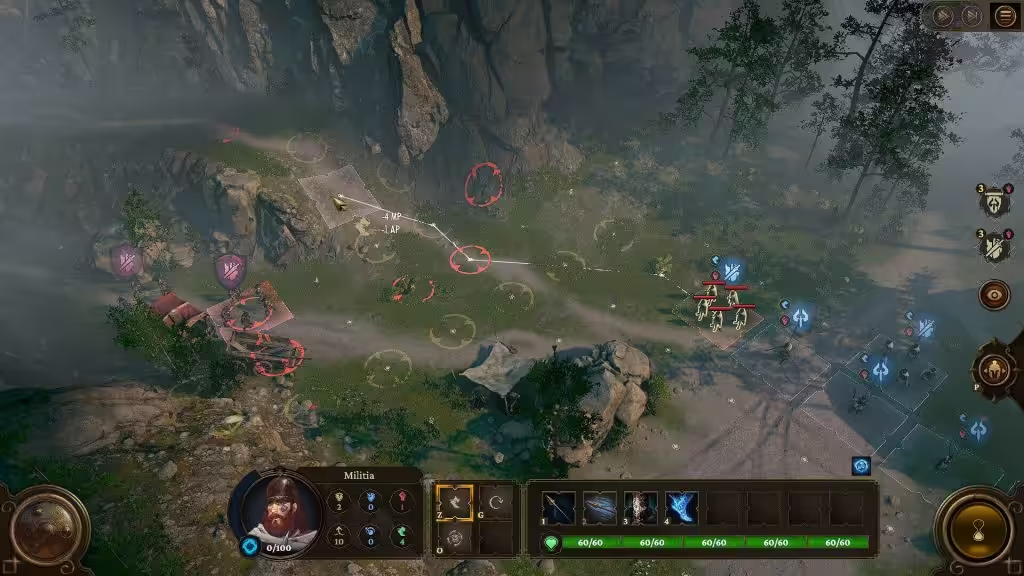
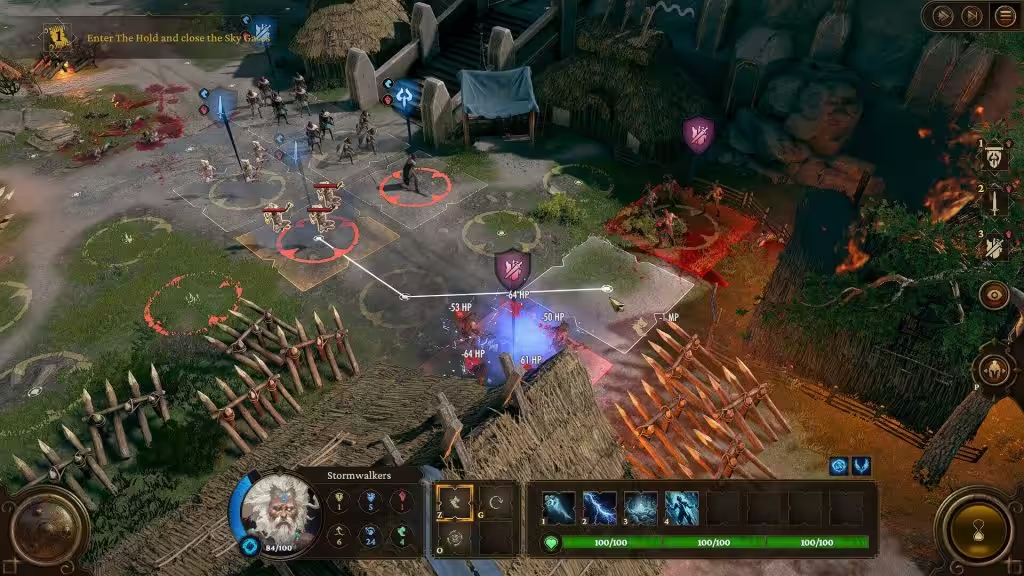
Battles play out on grid-based maps where terrain and positioning matter. Each unit projects a zone of control around nearby tiles, which makes disengaging or slipping past enemy lines costly.
Units spend Action Points on movement, attacks, and special abilities, while hero units get two AP to support more complex turns, such as flanking, casting spells, or setting up reactions. The system layers in sentry mode, opportunity attacks, and counter-attacks, so every move can trigger retaliation if you overextend a unit or try to run from a fight.
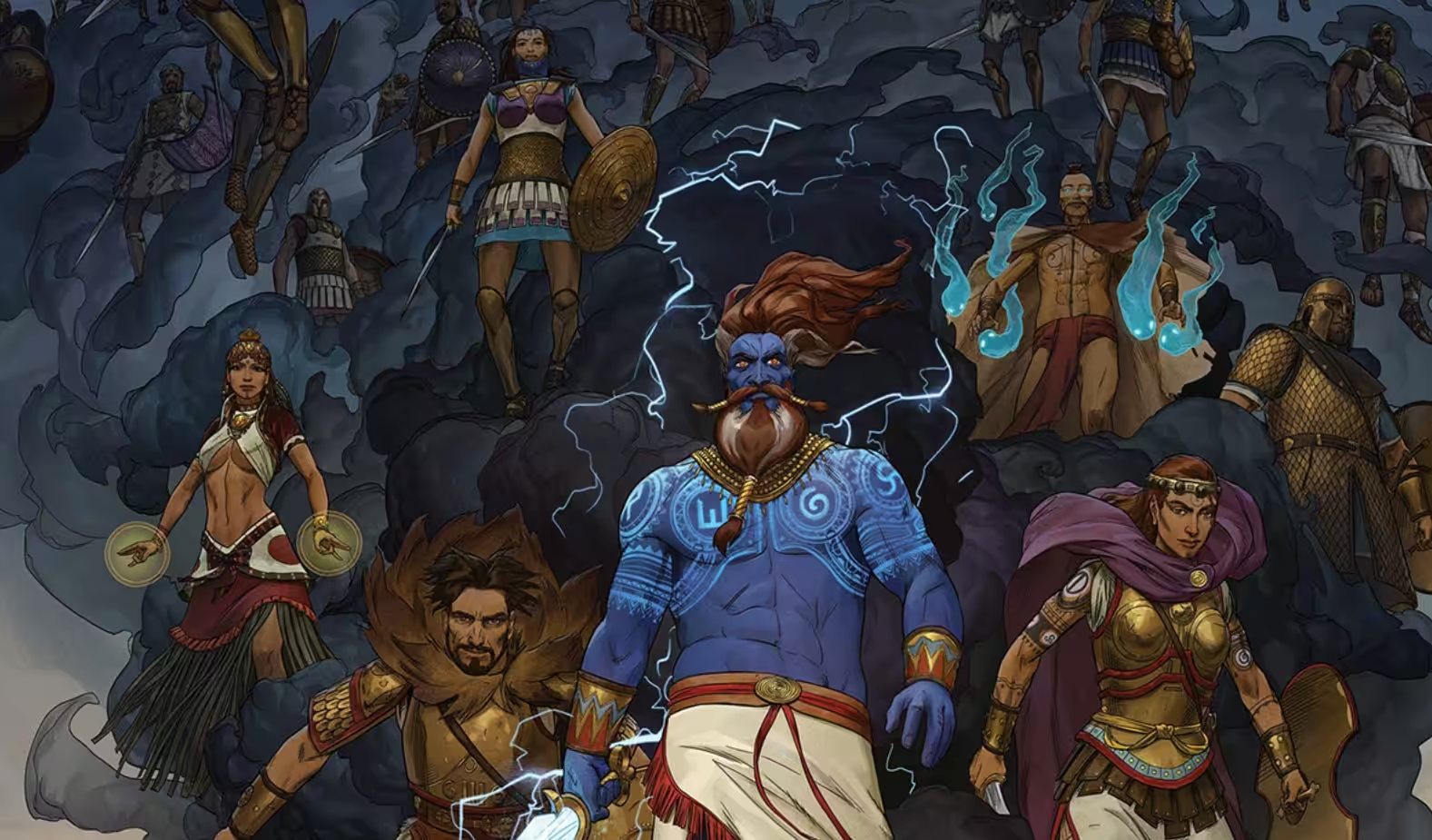
Three main factions – Talastar, Chaos, and the Lunar Empire – bring different unit rosters and playstyles. Talastar fields tribal warriors, storm-themed spellcasters, and beast allies; Chaos leans on mutating monsters and brutal shock troops; the Lunar Empire favors disciplined formations backed by magic tied to the moon and fire.
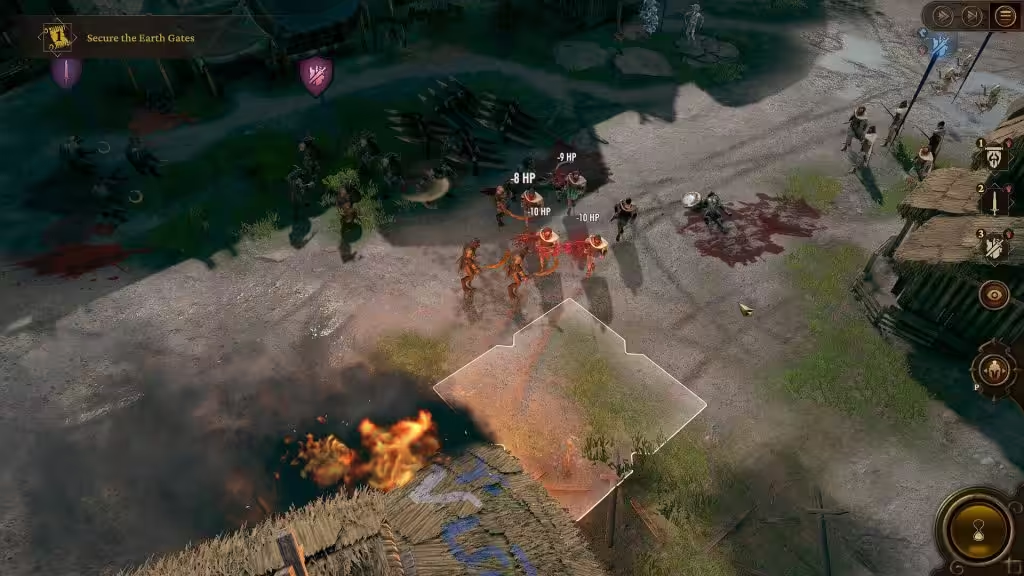
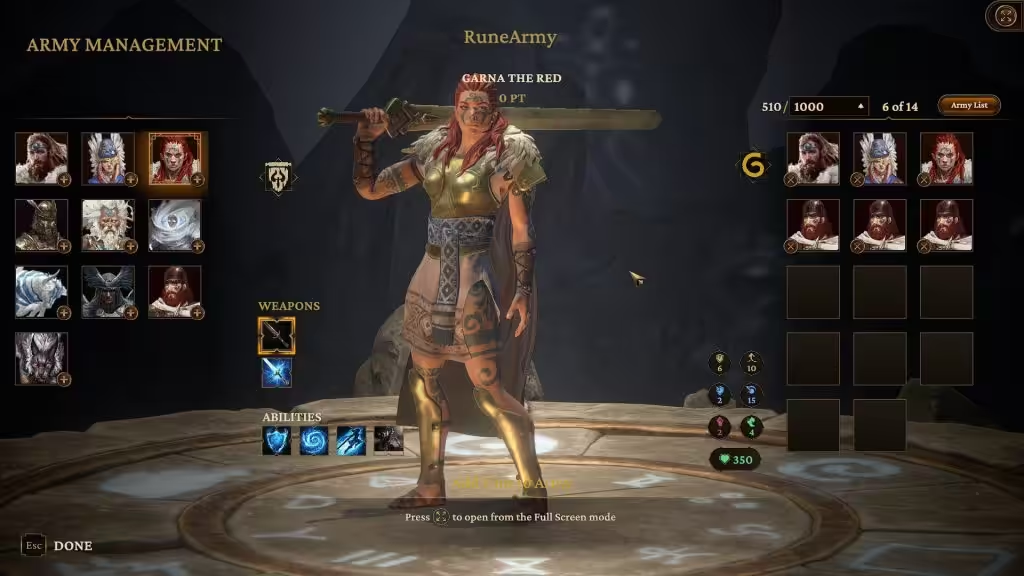
Units are made up of multiple models, from one to seven per unit, and each model tracks its own health, so attrition inside a single squad has a direct impact on its combat power. Named heroes like Chieftains, Howlers, and Centurions come with unique abilities, while units such as Stormwalkers, Broo Shamans, cavalry, artillery, and fast skirmishers like Shadowcats and Broo Marauders give each faction a clear battlefield identity.
Magic is wired into the rules through Glorantha’s runes. Heroes strengthen their affinity with specific runes as the campaign progresses, unlocking new abilities tied to the gods and cults they serve.
Some rune powers are instant effects, others are sustained and demand resource management over several turns. On top of regular battle magic, Cult Rune Magic is reserved for commanding heroes and represents the strongest tools in a warlord’s kit, offering powerful buffs, area control, or decisive offensive spells for players who plan around their cooldowns and positioning.
Beyond the story campaign, RuneQuest: Warlords ships with skirmish and multiplayer options.
Players can test armies against the AI on different maps or head into competitive scenarios where Talastar, Chaos, and Lunar forces clash in PvP. The structure is built to encourage repeated matches, experimenting with different faction compositions and rune setups rather than a single scripted playthrough.
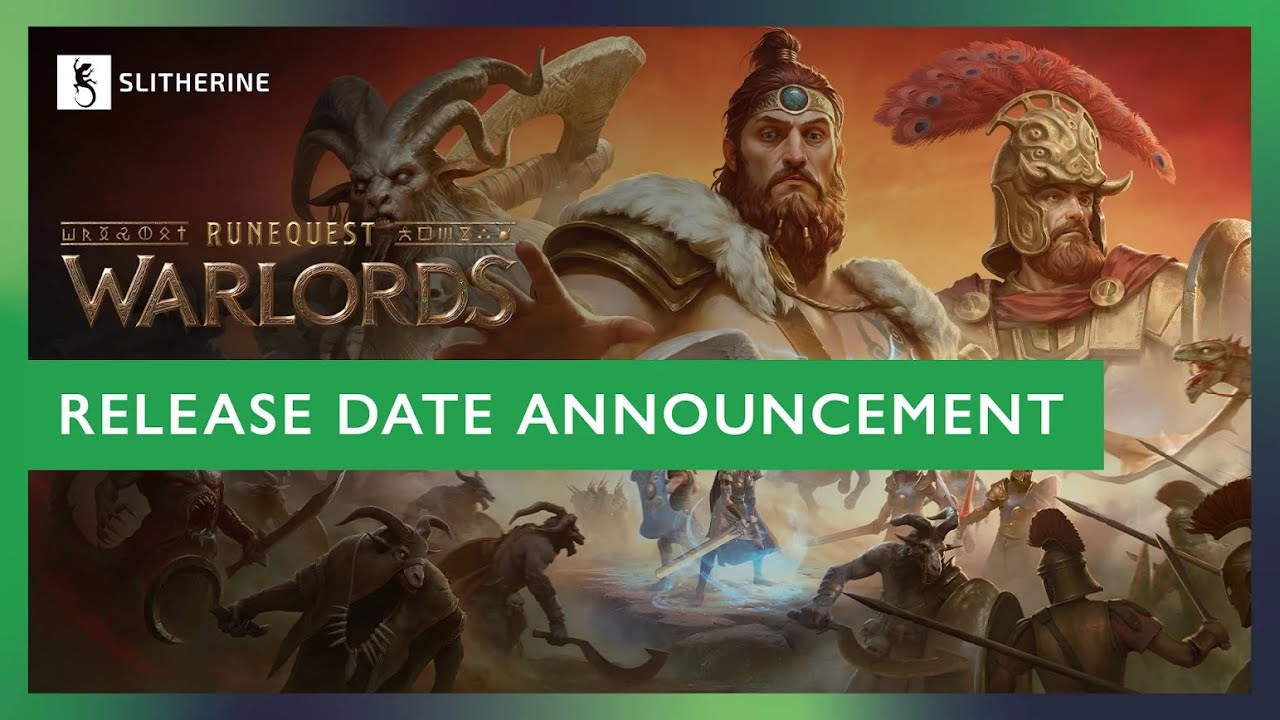
RuneQuest: Warlords will launch on PC via Steam on December 9, 2025. Below is the release date trailer.