


These are the 10 games that made the most money—we’re talking dollars, not copies.
You’d better appreciate this list because tracking down actual revenue figures for turn-based PC games was like trying to herd greased dice through a tax audit. Publishers guard their data like nuclear codes, Steam hides its receipts under 14 layers of NDAs, and half the analysts use algorithms that couldn’t count past five without falling over.
I scraped investor calls, Steam proxies, and enough VG Insights charts to summon a migraine, so unless you’ve got a hotline to Gabe Newell, these are the best damn numbers you’re going to get. And if you do have better ones, drop them in the comments, because I’d love to sleep again someday.
10. BattleTech (Harebrained Schemes / Paradox) – $10 million Steam gross
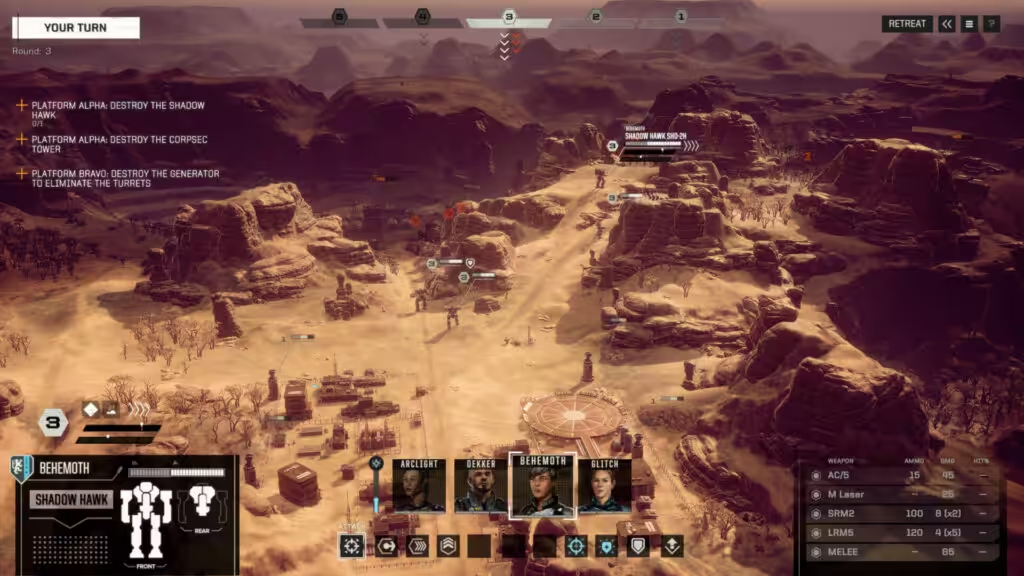
The starting line where steel meets spreadsheets. BattleTech took tabletop grit, painted it corporate gray, and made every turn feel like filling out a combat expense report. 2018’s mercenary simulator didn’t sell to everyone—it sold to the right ones: three million tacticians who think “fun” is calculating heat dissipation.
Around ten million in Steam gross makes it the low end of this food chain, but it’s proof that mechs and math still pay rent. The beauty of BattleTech is that it treats combat like a board meeting where every decision has catastrophic consequences.
Every turn feels like the world’s angriest chess match, and every missed shot is an unpaid invoice in hell. The campaign is slow, methodical, and occasionally masochistic, but it’s also one of the last times someone handed players a hex grid and said, “Here, destroy something expensive.”
9. Total War: Three Kingdoms (Creative Assembly / SEGA) – $60 million Steam gross

This one’s the weird cousin of the Total War clan, all flowery prose and ambushes disguised as diplomacy. It’s half real-time chaos, half turn-based obsession, and all profit. Sixty million in Steam revenue buys a lot of warlords. The campaign map is where the money lives—the fights are just the fireworks.
Three Kingdoms was the point where the series realized that spreadsheets and strategy romance novels could coexist. It’s basically the video game version of a slow-burning historical drama, except every episode ends with a 40-minute battle.
The political backstabbing, the alliances that last three turns before exploding—this is history turned into high art and high finance. It’s the kind of game that teaches you how to smile through betrayal while your treasury bleeds dry, and apparently, a few million players paid handsomely for that privilege.
8. Slay the Spire (Mega Crit) – $66 million Steam gross

A deckbuilder that accidentally became a religion. You climb a tower, you die, you curse, you climb again. No cutscenes, no marketing budget, just perfect mechanical design and the addictive power of self-loathing.
Sixty-six million bucks says patience still beats reflexes. This is what happens when a couple of devs build a game in a garage and the world collectively says, “Yeah, I’ll lose another weekend to that.” Slay the Spire didn’t need graphics, storylines, or cinematic trailers—it needed pain and probability. It made card counting cool again.
It became the backbone of half the indie strategy scene. Every roguelike since 2017 owes this game rent. Players talk about it like ex-smokers talk about nicotine: they quit, but not really. There’s always one more climb, one more perfect run ruined by a bad draw. It’s the purest kind of turn-based torture—elegant, simple, and horrifyingly addictive.
7. Total War: Warhammer II (Creative Assembly / SEGA) – $77 million Steam gross (base game)

The moment Creative Assembly realized fantasy was the real empire. 2017’s Warhammer II is basically a tax-deductible addiction. Base-game revenue sits near seventy-seven million, but the expansions turned that into a franchise retirement plan.
The spreadsheet generals and modders made it immortal; the accountants made it rich. Warhammer II is proof that chaos sells—literally. Armies of orcs and elves fought not for glory but for DLC, and SEGA laughed all the way to the bank.
It’s one of those games that keeps earning because no one ever truly stops playing it; they just take short breaks between conquests. With mods that turn it into everything from historical sim to fantasy apocalypse, it’s not just a game—it’s a financial ecosystem disguised as entertainment.
6. Persona 5 Royal (Atlus / SEGA) – $100 million Steam gross

Jazz, rebellion, and existential dread turned into a balance sheet. When Persona 5 Royal hit PC in 2022, it brought teenage angst to the platform that invented spreadsheets, and it printed cash. A hundred million in Steam revenue later, it proved that turn-based can look cooler than half of Hollywood.
Somewhere, a marketing intern tried to make “Stylish ROI” happen, and for once, they weren’t wrong. This game didn’t just make money—it made turn-based cool again. It turned the genre into something slick and modern, the kind of thing that even non-RPG players couldn’t ignore. It’s a mood, a soundtrack, a therapy session with combat menus.
Every attack feels like choreography. Every enemy takedown sounds like a jazz solo. Atlus didn’t just port a game—they ported an attitude, and the PC crowd bought it wholesale. It’s proof that substance and style can share the same wallet.
5. Total War: Warhammer III (Creative Assembly / SEGA) – $107 million Steam gross (base game)

2022’s daemon-filled finale is half meeting room, half apocalypse. Base-game numbers hover just above a hundred million, but if you add the DLC volcano, it erupts into nine-digit chaos.
The strategic layer is where the magic happens—spreadsheets disguised as sorcery; armies balanced like bank portfolios. Every end of a turn is a financial quarter. Warhammer III is the closest thing gaming has to a hostile corporate takeover conducted by demons. It’s beautiful, horrifying, and utterly overwhelming.
The fanbase treats it like religion and rebellion rolled into one. Creative Assembly may have bled their accountants dry tracking DLC sales, but the core game stands as proof that people will spend good money on games that demand your sanity in installments. It’s the thinking man’s apocalypse—slow, deliberate, and profitable.
4. Sid Meier’s Civilization V (Firaxis / 2K) – $179 million Steam gross

The elder god of sleepless nights. Civ V launched in 2010 and never stopped colonizing wallets. Steam revenue sits around $179 million for the base game alone, and that’s before expansions and anthologies pushed the franchise into interstellar accounting.
It’s less a game and more a lifestyle choice. If you’ve ever whispered “one more turn” at sunrise, you helped fund this empire. Civ V is the game that taught generations that procrastination can be strategic.
It’s the king of digital time theft. It doesn’t matter if you’re a warmonger, builder, or diplomatic snake—every road leads to “just one more.” It’s practically an addiction algorithm. Even now, over a decade later, people are still booting it up, modding it to hell, and losing weekends to it like it’s 2011 again. Firaxis didn’t just make a game—they built an infinite loop disguised as history.
3. XCOM 2 (Firaxis / 2K) – $267 million Steam gross
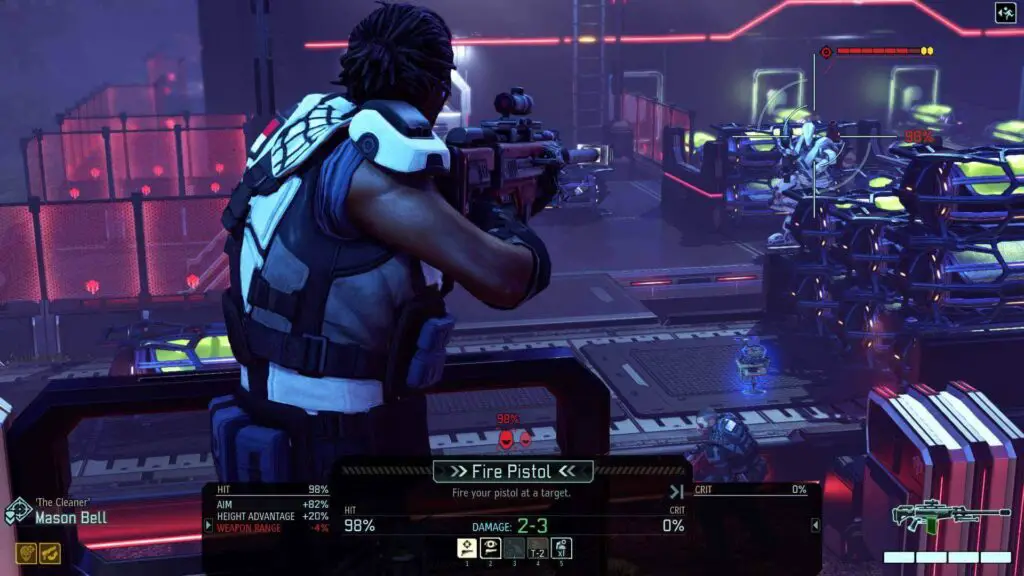
Failure never looked this profitable. XCOM 2 is what happens when a developer monetizes anxiety.
Every mission feels like an HR meeting for death. Base-game revenue lands around $267 million; expansions push it higher. The brilliance? It taught millions to pay for stress, and we thanked it for the privilege.
Somewhere, an alien accountant is still laughing. This is a game where you lose more than you win, and that’s the point. You name soldiers after your friends, watch them die in slow motion, and still hit “New Game” like a masochist. It’s tactical Stockholm syndrome.
The tension, the unpredictability, the gut-punch of missing a 95% shot—it’s all there to make you feel alive and broke. XCOM 2 doesn’t care about your sanity; it cares about your data, your devotion, and your DLC wallet. It’s tactical despair—and it sells like salvation.
2. Sid Meier’s Civilization VI (Firaxis / 2K) – $358 million Steam gross.

2016’s Civ VI replaced subtlety with spectacle and cashed the check. Over ten million Steam units and more than $350 million gross later, it’s still the undisputed king of “just one more turn” economics.
Firaxis could ship a DLC that adds only a slightly shinier river texture, and half the planet would pre-order it. Civilization doesn’t need marketing; it has insomnia. Civ VI took the formula and painted it in neon. More systems, more civs, more everything. It’s a monument to the art of making complexity feel cozy.
It’s also a financial perpetual motion machine. The expansions—Rise and Fall, Gathering Storm—might as well have been called Open Wallet and Empty Savings. This is what long-term monetization looks like when it’s earned, not exploited. Civilization VI doesn’t force you to pay—it seduces you into doing it gladly.
1. Baldur’s Gate 3 (Larian Studios) – $657 million Steam gross in 2023 alone.

The king, the myth, the meme factory, the one that made accountants weep with joy. Baldur’s Gate 3 didn’t just resurrect the CRPG; it crucified doubt. Launching in 2023 after a biblical early-access grind, it pulled in $657 million on Steam in a single year.
That’s before counting 2024’s aftershocks. Fifteen million copies, countless romances, and infinite memes later, Larian sits atop a throne made of bug reports and adoration. Every other studio is now frantically Googling “how to make a Baldur’s Gate.” BG3 is what happens when creative freedom and technical insanity collide.
It’s a love letter to choice, consequence, and chaos, and it made money like a blockbuster. This game sold trust—players knew it wouldn’t screw them—and that loyalty turned into profit. It’s proof that gamers will pay for passion when it’s real. Larian didn’t just break the mold; they melted it down and sold the scrap metal.
Total estimated Steam gross for the top ten: $6 billion.
No console fluff, no mobile whales—just PC revenue, raw and stubborn. If that doesn’t prove turn-based gaming is alive, you might already be real-time dead.
Look, these numbers aren’t gospel—they’re the best available estimates from VG Insights, Gamalytic, Steam Revenue Calculator, and public filings. Some track-based games, some include DLC, all have margins of error big enough to drive a mech through. But they’re grounded, sourced, and believable enough that any publisher wanting to argue can start by releasing real data for once.
The genre isn’t niche; it’s the tortoise that bought the bank. Turn-based gaming doesn’t shout; it invests. It doesn’t sprint; it compounds. Every click, every calculated risk, every single end-turn is another dividend. The dice don’t lie—they just keep rolling in cash.

