


The calmest players in the room are counting the loudest zeros
People say money can’t buy happiness, but I’ve seen turn-based franchises use it to buy immortality. You don’t keep a genre alive for forty years on nostalgia alone; you do it by selling strategy like it’s religion.
The myth says turn-based games are niche, cerebral, and a little dusty. The reality? They’re one of gaming’s most reliable moneymakers, quiet, enduring, and less volatile than your average crypto investor.
While trend-chasing studios keep blowing up their live-service dreams, the patient tacticians of this world just keep releasing expansions and counting zeros. I made this list because nobody seems to realize how profitable deliberation is.
These aren’t one-hit wonders or critical darlings—they’re long-haul survivors that turned slow thinking into fast cash. You want to see where the real empires are built? Roll initiative.
10. Disgaea (Nippon Ichi Software)
Lifetime revenue is about two hundred million dollars

If turn-based combat had a Saturday morning cartoon fever dream, it’d be called Disgaea. Born from the beautiful chaos of Nippon Ichi Software, this franchise didn’t chase realism; it chased infinity. Every game is a mathematical black hole: you grind levels into six-digit absurdity and then do it again because you can.
The result? A loyal cult of masochists keeping the lights on for two decades. It’s not blockbuster money, but for a mid-tier studio that never stopped being weird, two hundred million dollars in cumulative revenue is a small miracle. Expect Disgaea 8 or a spiritual reboot once the accountants remember their fans will buy literally anything with exploding penguins.
Stats: Eight mainline titles, about five million copies sold, and around two hundred million dollars in combined revenue.
9. Darkest Dungeon (Red Hook Studios)
Lifetime revenue is about three hundred million dollars

Misery sells. Darkest Dungeon is proof that people love watching adventurers lose their sanity one turn at a time. Red Hook Studios turned depression into design, anxiety into art, and masochism into millions. The first game became a cult sensation, selling over five million copies.
The sequel refined the agony, trimming the fat but keeping the stress. Between both, Red Hook built an empire of emotional damage and gothic beauty. Darkest Dungeon III is inevitable, and when it comes, we’ll line up to suffer again.
Stats: Two main games, about seven million units sold, and around three hundred million dollars in lifetime revenue.
8. Divinity / Baldur’s Gate (Larian Studios)
Lifetime revenue is about one billion dollars

Larian Studios went from “that Belgian RPG company” to “the billion-dollar CRPG gods.” Divinity: Original Sin revitalized the genre in 2014, Original Sin II perfected it in 2017, and Baldur’s Gate 3 turned it into a global phenomenon. Between those, Larian’s universe became the poster child for narrative freedom and tactical brilliance.
What started as a Kickstarter darling now outsells mainstream blockbusters. Baldur’s Gate 3 alone hauled in nearly half a billion on PC. The future? Probably an original IP drenched in player choice and Belgian sarcasm.
Stats: Three major releases, about twenty-two million units combined, and around one billion dollars in revenue.
7. XCOM (Firaxis Games / 2K)
Lifetime revenue is about one point one billion dollars
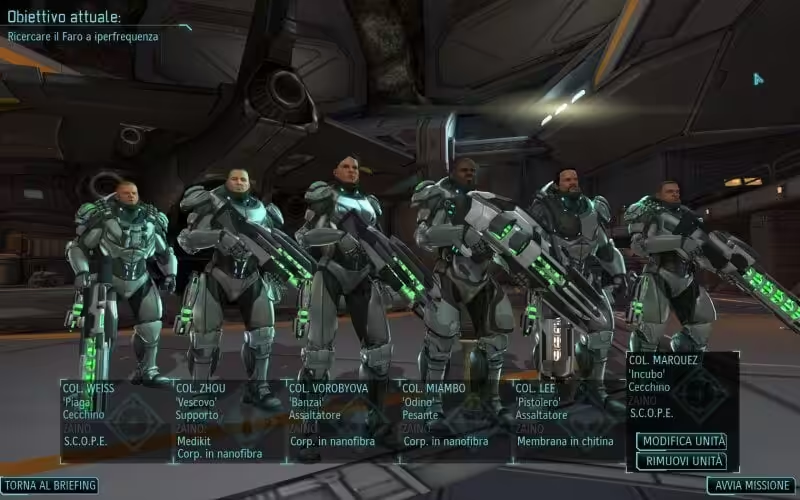
If paranoia could be monetized, Firaxis would own the planet. XCOM didn’t just reboot a franchise; it resurrected fear itself. Since 2012’s Enemy Unknown, the brand has been minting both sequels and trauma. XCOM 2 sold over seven million copies, with downloadable content adding another small fortune.
Even its spiritual cousins, Chimera Squad and Midnight Suns, carry the torch, if not the profits. An XCOM 3 is rumored to be percolating under a blanket of secrecy, and given the numbers, it’s not “if,” it’s “when.”
Stats: Three main entries, about fourteen million units total, and around one point one billion dollars in combined revenue.
6. Total War (Creative Assembly / Sega)
Lifetime revenue is about two billion dollars
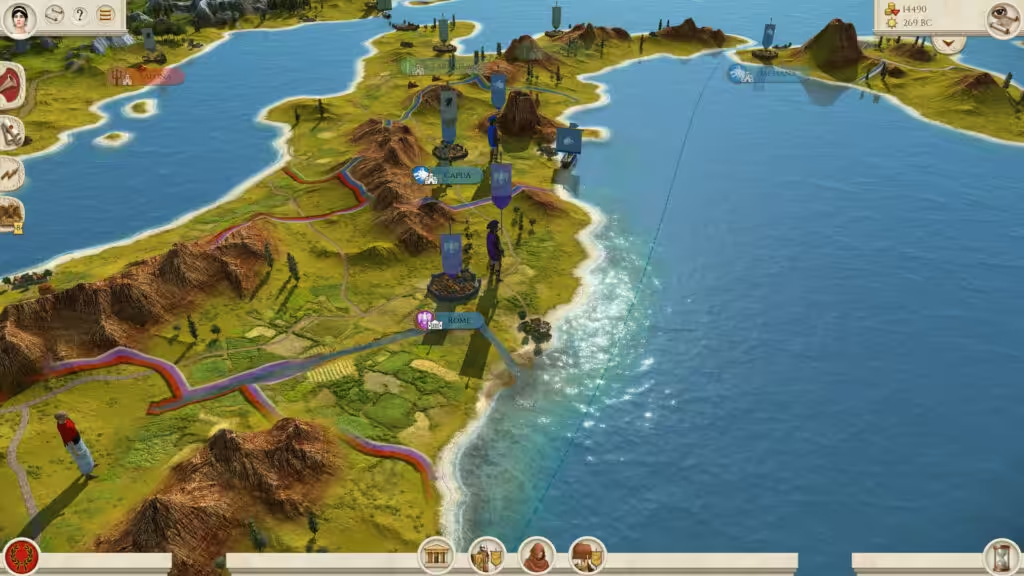
Creative Assembly figured out how to turn patience into spectacle. The Total War franchise straddles the line between real-time chaos and turn-based empire management, but its heart beats to a turn order. From Shogun to Warhammer III, the series has sold over forty million copies, colonizing wallets across two decades.
Its downloadable content model is practically an art form, and Total War: Warhammer alone has crossed one billion dollars in lifetime revenue. Future plans include Total War: Pharaoh and a return to historical campaigns—because nothing’s more profitable than letting us rewrite history badly.
Stats: Over sixteen titles, about forty million copies sold, and around two billion dollars in total revenue.
5. Fire Emblem (Intelligent Systems / Nintendo)
Lifetime revenue is about two point three billion dollars
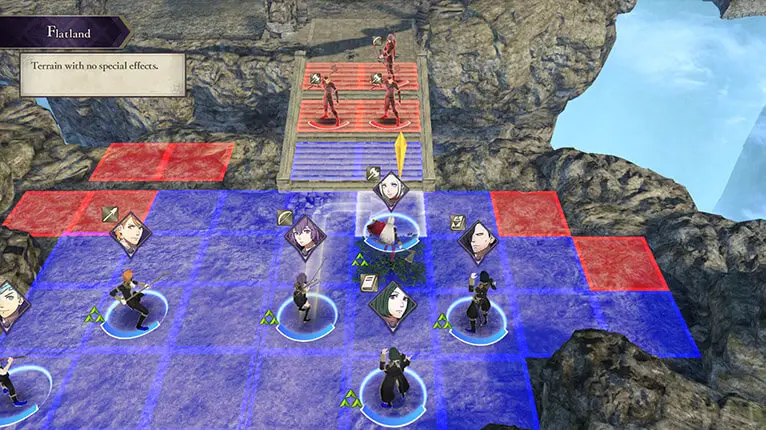
Once Japan’s niche tactical RPG, now a global Nintendo pillar, Fire Emblem is the pretty face of turn-based combat. Between Awakening resurrecting the series and Three Houses conquering the world, the franchise has sold over twenty million units and turned marriage mechanics into a business strategy.
Engage underperformed slightly, but the profits stayed strong. The next step? Probably a hybrid of Three Houses’ academy management with higher-budget storytelling, because Intelligent Systems has perfected the art of making tactics heartfelt and sellable.
Stats: Over eighteen entries, about twenty million sales, and around two point three billion dollars in lifetime revenue.
4. Persona (Atlus / Sega)
Lifetime revenue is about three billion dollars

Stylish angst, perfect pacing, jazz that slaps harder than most action scores—Persona isn’t just profitable, it’s cultural currency. Since Persona 3 modernized the formula, Atlus has milked the brand through expansions, ports, concerts, and spin-offs. Persona 5 alone has sold over ten million copies, pulling in around five hundred million dollars.
But add up the rest—Royal, Strikers, Q, and now Persona 3 Reload—and you’re looking at billions. It’s become Sega’s flagship for turn-based relevance, and with Persona 6 inbound, the cashflow isn’t stopping.
Stats: Over fifteen entries, about twenty-seven million copies, and around three billion dollars in lifetime revenue.
3. Dragon Quest (Square Enix)
Lifetime revenue is about four point five billion dollars

The godfather of JRPGs never needed to evolve to stay rich. While Final Fantasy flirts with real-time action, Dragon Quest stays proudly turn-based—and the fans reward it with money and loyalty. Dragon Quest XI sold over eight million copies, the best in series history, and the mobile spin-offs print extra gold bars in Japan.
Add merchandise, anime, and nostalgia tax, and Square Enix has milked the smiling Slime for over four point five billion dollars. The upcoming Dragon Quest XII promises a darker tone and modernized systems, but if you think they’re abandoning turns, you don’t know tradition.
Stats: Eleven main entries, about eighty-eight million units total, and around four point five billion dollars combined.
2. Civilization (Firaxis Games / 2K)
Lifetime revenue is about five billion dollars
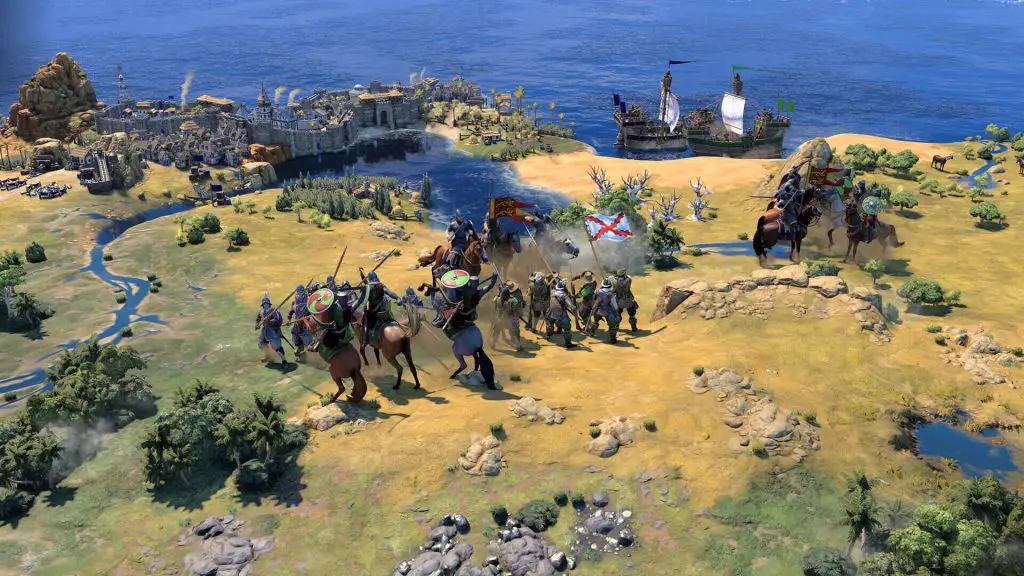
The immortal franchise that made “just one more turn” a personality disorder. Civilization has been around for thirty years, quietly rewriting the definition of replayability. Civilization VI alone has topped ten million sales, but the real money lies in expansions and the hundreds of millions of hours poured into the series.
Firaxis and 2K have built an intellectual property that outlasts hardware generations. The upcoming Civilization VII will likely push it over six billion. It’s not a game anymore; it’s a religion with patch notes.
Stats: Over fifteen entries, about seventy million units, and around five billion dollars in total revenue.
1. Pokémon (Game Freak / Nintendo / The Pokémon Company)
Lifetime revenue is about thirty billion dollars from turn-based entries

You knew this was coming. Love it or hate it, Pokémon is the ultimate turn-based cash volcano. Even if you strip away the trading cards, movies, and plushies, the mainline games alone—yes, the ones still built on turn-based combat—have earned over thirty billion dollars across generations.
Every region, every monster, every remake sells like oxygen. From Red and Blue to Scarlet and Violet, Game Freak has managed to sell the same idea a dozen times and still make it feel like the world’s most beloved math test. It’s not just the most profitable turn-based franchise; it’s arguably the most profitable game franchise, period.
Stats: Over thirty-five entries, about four hundred eighty million copies sold, and around thirty billion dollars in total revenue.
Add it all together, and these ten franchises alone represent over $50 billion in cumulative revenue, stretching from the days of floppy disks to the age of ray tracing. That’s not nostalgia, that’s empire building.
For a genre supposedly too slow for modern audiences, it’s moving faster than most studios’ bottom lines. These aren’t “hobbyist games” or “old-school relics.” They’re economic pillars built on patience, precision, and pixelated spreadsheets.
Now, I’m not here to shill mobile, but let’s be honest: mobile turn-based titles are where publishers keep their private yachts. I’ll never tap a gacha menu, but games like Fate/Grand Order, Raid: Shadow Legends, and AFK Arena are pulling in billions—yes, plural—by selling strategy in bite-sized dopamine doses. It’s a small goldmine for companies that don’t care about souls, only sessions. Meanwhile, the PC and console market keeps its dignity, its depth, and apparently, a pretty damn healthy profit margin too.
When I started this, I expected modest numbers, “respectable” success stories that would make investors shrug and purists smile. What I found was a financial juggernaut hiding behind a quiet grin.
These franchises aren’t just surviving; they’re dominating. The genre that once defined the ‘90s is now defining profitability. Maybe patience really does pay off—literally. Turn-based gaming has evolved into the thinking person’s blockbuster, a genre where creativity and capitalism actually shake hands instead of fighting to the death. The future looks deliberate, lucrative, and beautifully tactical.
I’m Brad Deep. I swing sarcasm like a power axe, bleed caffeine into spreadsheets, and call it investigative journalism. My books are field manuals from the war between art and industry, and these lists—these obsessive dissections—are my therapy sessions with a word count. You can find the books wherever heretics still read and remember: every life’s a campaign, every dollar a critical hit. Keep your systems clean, your circuits holy, and your portfolios diversified—I’ll see you on the next turn.

