


Not a “best of” list. Just ten mechanics that permanently rewired the rules.
Before anyone hyperventilates into a keyboard because their personal sacred cow isn’t sitting on a shiny pedestal, let’s get one thing straight: this list is not about which game was “best,” sold the most copies, or made you feel warm inside when you were fourteen and had infinite free time.
This is about impact. About moments where a single mechanic didn’t just improve a game but fundamentally changed the way turn-based design works. One idea at a time, these games rewired how players think, how designers build systems, and what the genre itself could demand from its audience.
Some of these mechanics were copied endlessly. Others were misunderstood. A few became so influential that they turned invisible, absorbed into the genre’s DNA until people forgot someone had to invent them in the first place.
These aren’t incremental upgrades. These are fault lines, moments where turn-based games stopped being polite and started asking players to commit. The games below are presented in no special order.
X-COM: UFO Defense (1994) – Permanent Consequences
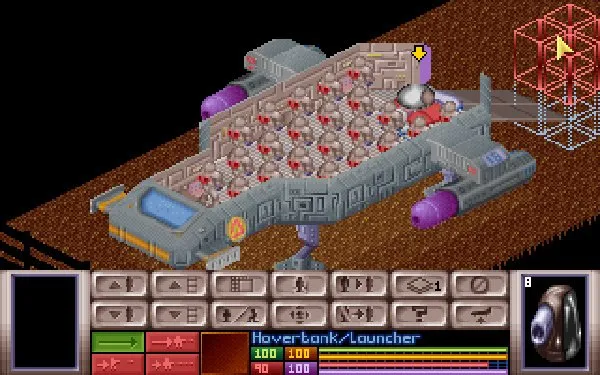
Before X-COM, turn-based combat was forgiving by default. You lost a unit, you reloaded, and you moved on. X-COM didn’t care about your comfort. Soldiers died permanently. Panic spread across continents. Funding collapsed. A single bad mission could poison an entire campaign.
The mechanic that changed everything wasn’t aliens or technology trees; it was irreversibility. X-COM taught players that mistakes should linger, that decisions should scar the experience instead of politely resetting it. The game forced players to live with outcomes, not optimize around them, and it did so without apology.
Every mission carried weight because failure didn’t end the game; it reshaped it. This one idea permanently altered expectations for strategy games. After X-COM, losing mattered in a way it never had before, and the genre has been wrestling with that truth ever since, trying to recapture the same sense of dread, responsibility, and consequence without flinching.
Final Fantasy Tactics – Verticality and Class Identity

Final Fantasy Tactics didn’t just introduce height, it weaponized it. Elevation affected hit chance, damage, positioning, and survivability, turning flat battlefields into layered tactical puzzles. But terrain alone wasn’t the revolution.
The real shift came from pairing spatial combat with deep job identity. Characters weren’t interchangeable bodies; they were defined by what they could do and where they could do it from.
A Knight on low ground played differently than a Dragoon above you, and that mattered every single turn. Positioning stopped being cosmetic and became a statement of intent. Job choice wasn’t flavor, it was a tactical philosophy you committed to. FFT taught the genre that tactics weren’t just about numbers; they were about identity expressed through space.
Civilization – One More Turn as a System
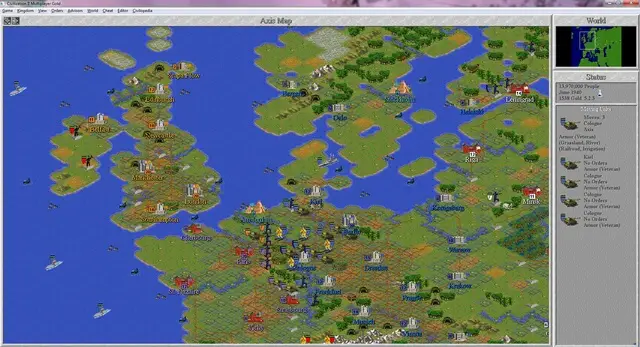
Civilization’s greatest mechanic isn’t the tech tree or diplomacy, it’s time. The game broke progress into small, meaningful decisions that constantly tempted players forward.
Each turn resolved just enough information to feel satisfying while opening three more problems that demanded attention. This wasn’t accidental. Civilization turned pacing itself into a mechanic, training players to think in decades while acting in minutes. It normalized delayed gratification as a form of reward instead of a barrier to fun.
The design quietly taught players to accept slow accumulation as progress rather than demand immediate payoff. It proved that turn-based games could scale from individual units to global systems without losing clarity.
More importantly, it showed that long-term thinking could be addictive, not exhausting. Entire subgenres exist today because Civilization taught designers how to make patience compelling.
Jagged Alliance 2 – Action Points as Narrative Tension
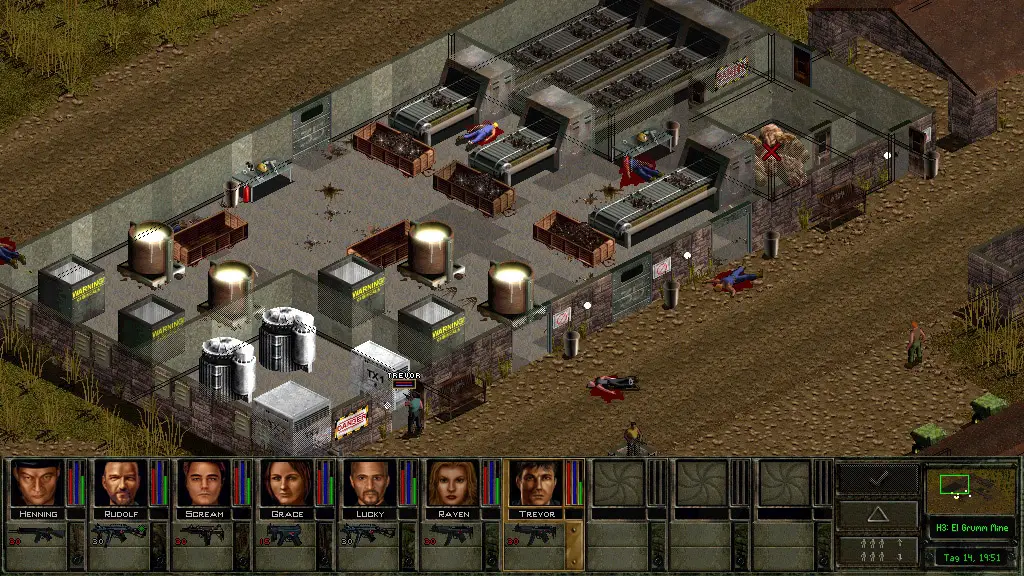
Jagged Alliance 2 transformed action points from a math system into a storytelling device. Every step, reload, and shot costs something tangible. You felt hesitation. You felt greed. Running out of points mid-turn created panic, while saving them felt like restraint bordering on fear. This wasn’t abstract strategy; it was embodied tension.
Every turn forced players to choose between control and momentum, safety and ambition. Small decisions accumulate into big consequences, often faster than players expected.
Combined with merc personalities, morale, and unpredictable outcomes, the AP system generated stories organically. Jagged Alliance proved that mechanics alone could produce drama and that turn-based combat didn’t need scripts to feel human.
Pokémon Red & Blue – Readability and Accessibility

Pokémon made type advantages, clean feedback, and consistent rules made strategic interactions visible without stripping depth. Players always understood why something worked or failed. That clarity changed everything.
The game taught strategy through play instead of punishment, letting players learn by experimenting rather than memorizing systems. Information was never hidden behind jargon or obscured math; it was surfaced cleanly and honestly.
This transparency created confidence, and confidence invited curiosity instead of fear. Pokémon expanded the audience for turn-based games overnight by proving that accessibility and depth weren’t opposites. The genre learned an important lesson here: complexity is only valuable if players can read it. Pokémon’s legacy isn’t nostalgia, it’s legibility.
Heroes of Might and Magic III – Layered Complexity
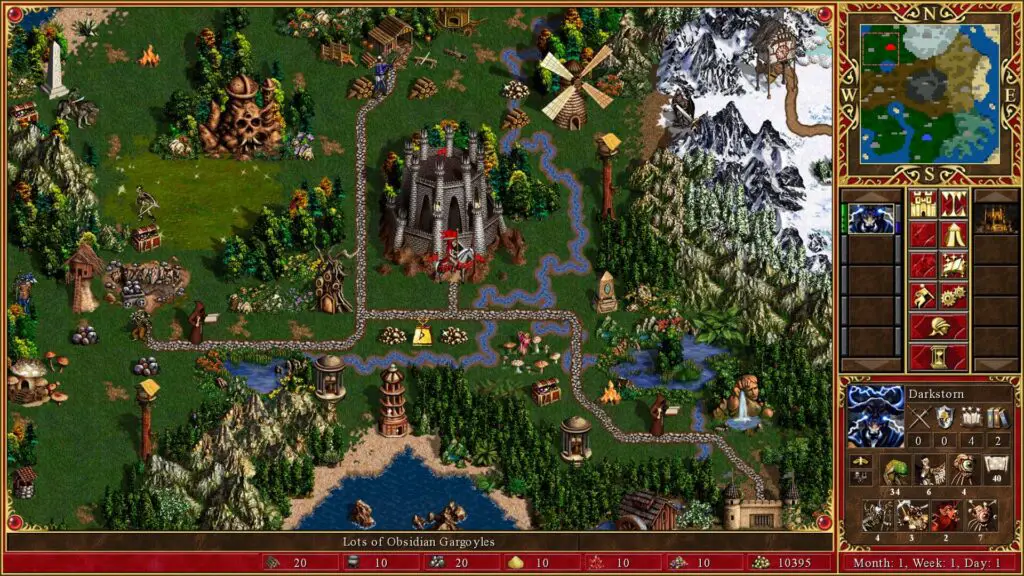
Heroes III mastered the art of layered decision-making. Strategic turns governed empire growth, exploration, and army composition, while tactical battles demanded precise positioning and timing.
The brilliance was how these layers supported each other without overwhelming the player. You planned broadly, then executed narrowly. Every choice on the world map quietly shaped the fights you’d face later, often hours down the line.
Mistakes weren’t immediate; they matured slowly, revealing themselves when it was already too late to fix them easily. This separation of planning and execution created a rhythm that rewarded foresight without punishing experimentation.
This taught designers that turn-based systems work best when complexity is distributed instead of concentrated. Heroes III showed that macro and micro-strategy could coexist without collapsing into noise.
XCOM: Enemy Unknown (2012) – Information as a Resource
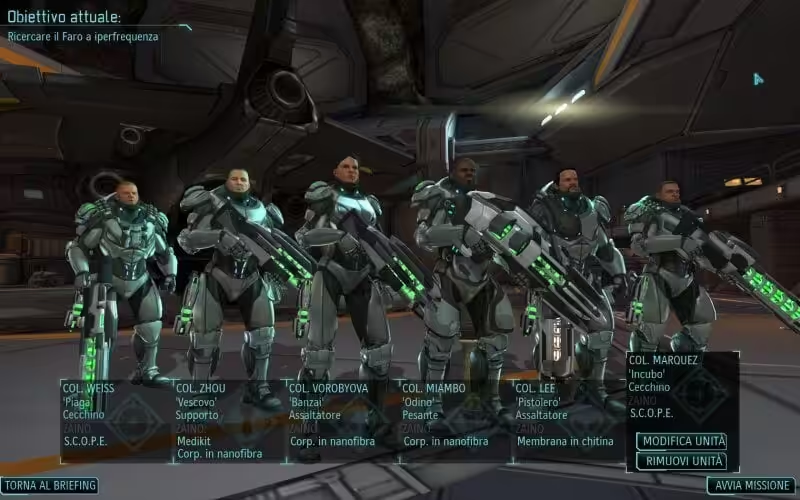
The modern XCOM reboot refined uncertainty into a weapon. Fog of war, overwatch traps, and hidden enemy activations turned incomplete information into the core tension driver. You never knew enough, and that was the point.
The mechanic that mattered wasn’t randomness; it was partial knowledge. Every advance carried risk, every reveal felt earned, and every mistake came from a choice, not bad luck. The game trained players to respect uncertainty instead of trying to eliminate it.
Players had to act without certainty, accepting risk as part of the experience. This design philosophy reshaped modern tactics games, proving that fear comes from what you don’t know, not from unfair odds. Learn more about X-COM legacy.
Slay the Spire – Emergent Synergy
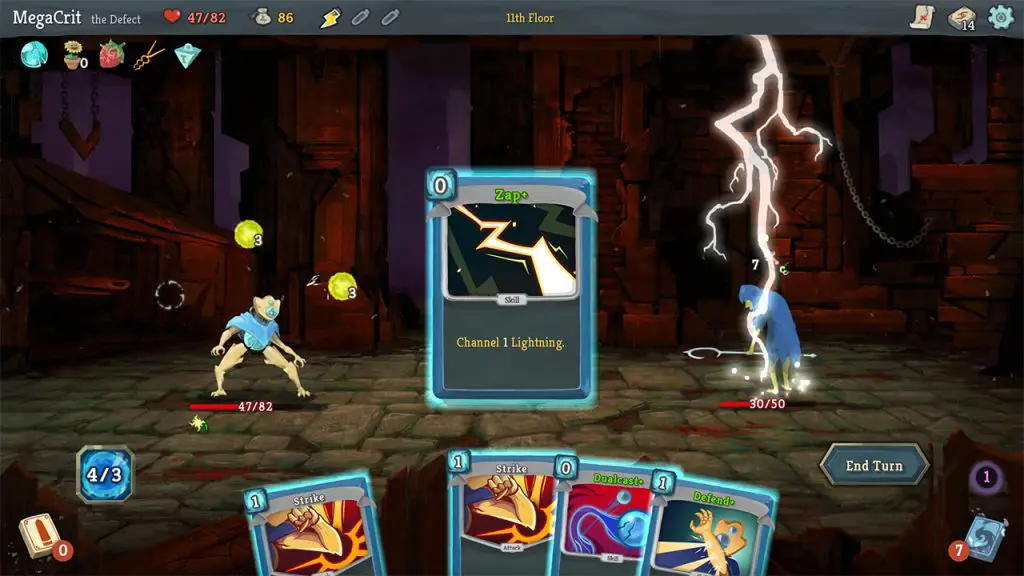
Slay the Spire erased the line between combat and progression. Your deck wasn’t a loadout, it was your identity. Every card choice reshaped future turns, forcing players to think simultaneously about the present fight and the long-term arc of the run.
The core innovation was emergent synergy. Power didn’t come from individual cards but from how systems collided over time. Builds evolved organically, often revealing their strengths and weaknesses only after several risky decisions had already been locked in.
This uncertainty made planning feel alive instead of solved. The game didn’t prescribe strategies; it allowed them to form naturally through interaction. This single idea redefined replayability in turn-based games and spawned an entire generation of deckbuilders trying to capture the same magic.
Into the Breach – Perfect Information

Into the Breach did something radical: it removed uncertainty entirely. Every enemy move was telegraphed. Every outcome was visible in advance. And somehow, the game became more stressful, not less.
The defining mechanic was perfect information paired with brutal constraints. Knowing what would happen didn’t make decisions easier; it made them heavier. The pressure came from scarcity, positioning, and sacrifice, not surprise.
Every turn felt like choosing which disaster you were willing to accept. Failure wasn’t bad luck; it was bad thinking. This reframed turn-based combat as puzzle-solving under pressure, permanently disproving the myth that randomness is required for tension.
Baldur’s Gate 3 – Systemic Freedom

Baldur’s Gate 3 didn’t revolutionize turn-based combat by simplifying it; it did the opposite. It embraced systemic chaos. Physics, environment, dialogue, positioning, and abilities all interacted freely.
The true mechanic that changed the genre here was permission. Permission to experiment. Permission to break encounters. Permission to solve problems creatively. The game stopped policing player behavior and started rewarding curiosity instead.
Solutions weren’t ranked or prescribed; they emerged from how boldly you engaged with the systems. Failure often felt instructive rather than punitive, encouraging risk instead of caution. BG3 showed that turn-based games could be expansive, cinematic, and player-driven without losing structure. It trusted players instead of corralling them, and that trust paid off.
Final Thoughts
Turn-based games don’t change because of graphics or budgets. They change when someone introduces a mechanic that forces everyone else to rethink the rules.
Every game on this list did exactly that, one idea at a time, not by chasing trends, but by committing to design principles that respected intelligence, patience, and consequence. These mechanics didn’t just influence sequels; they reshaped player expectations across the entire genre.
Once players experienced this level of intention, going back to shallow systems became almost impossible. The bar was raised quietly but permanently. In a medium obsessed with speed and spectacle, these games proved that tension lives in deliberation.
As long as designers keep finding new ways to make turns matter, the genre won’t fade; it will keep evolving, quietly and relentlessly, one mechanic at a time.

