I’d be willing to bet you’ve never heard of any of these five turn-based RPGs and you’ll be quite surprised by just how good they actually are. Today we’re going off the beaten track. In fact, let’s be honest, we’re not going to go down any of the well-trodden paths. We’re going straight into the very narrowest, most obscure back alleys of the RPG world to find five games that would have you thinking “niche” is a massive understatement.
One thing I’m pretty certain of, though, is that somewhere amongst these five hidden gems you may well have found your next RPG obsession.

Scarmonde
Old-School Dungeon Crawling Where Every Upgrade Shapes Your Party
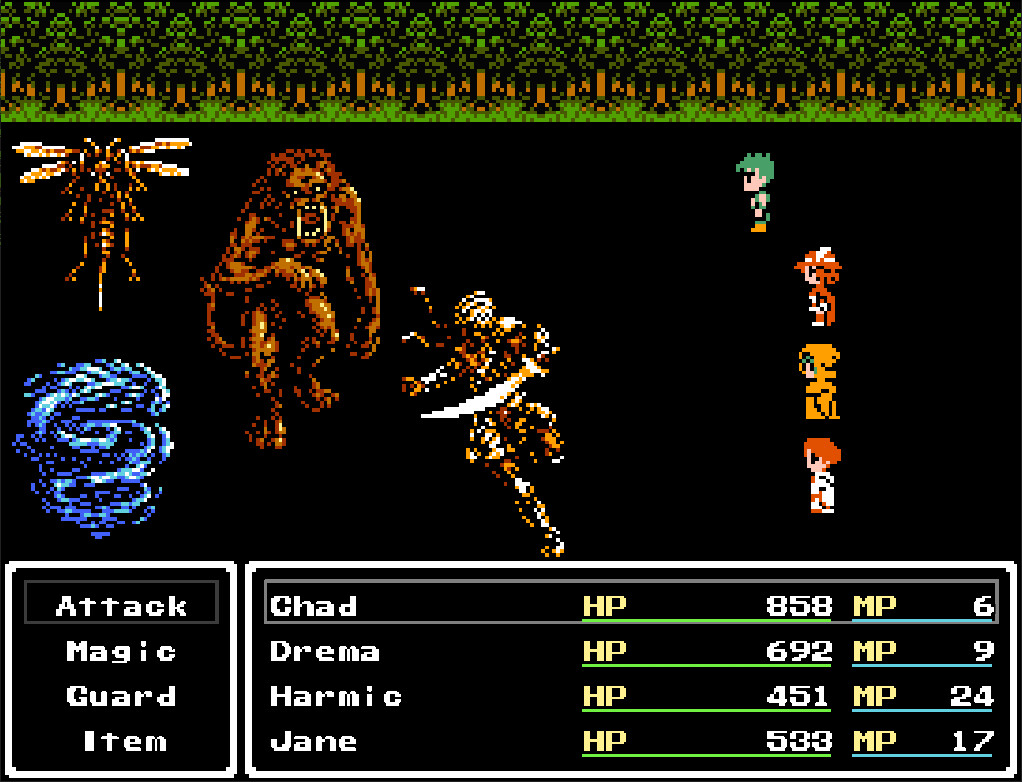
Let’s start with Scarmonde, which gets straight to one of the most fun bits of a classic RPG, which is deciding who’s in your party. Ephiam‘s dungeon crawler gives you four adventurers and 12 classes to choose from (Knights, Clerics, Mages and the like) as well as Bards and Dancers and a host of other options. Your party is then dispatched into the Depths to hunt for the sacred relics.
The best bit of the system, in my opinion, is the way the game lets you handle abilities. You buy your skills, spells and passives using Magic Orbs which you pick up during your travels and which enemies drop. You have a shared pool of these to spend. You can look at what upgrades are available and decide where you want to spend your Orb supply. Saving up for a really good ability means that someone else is going to have to wait.
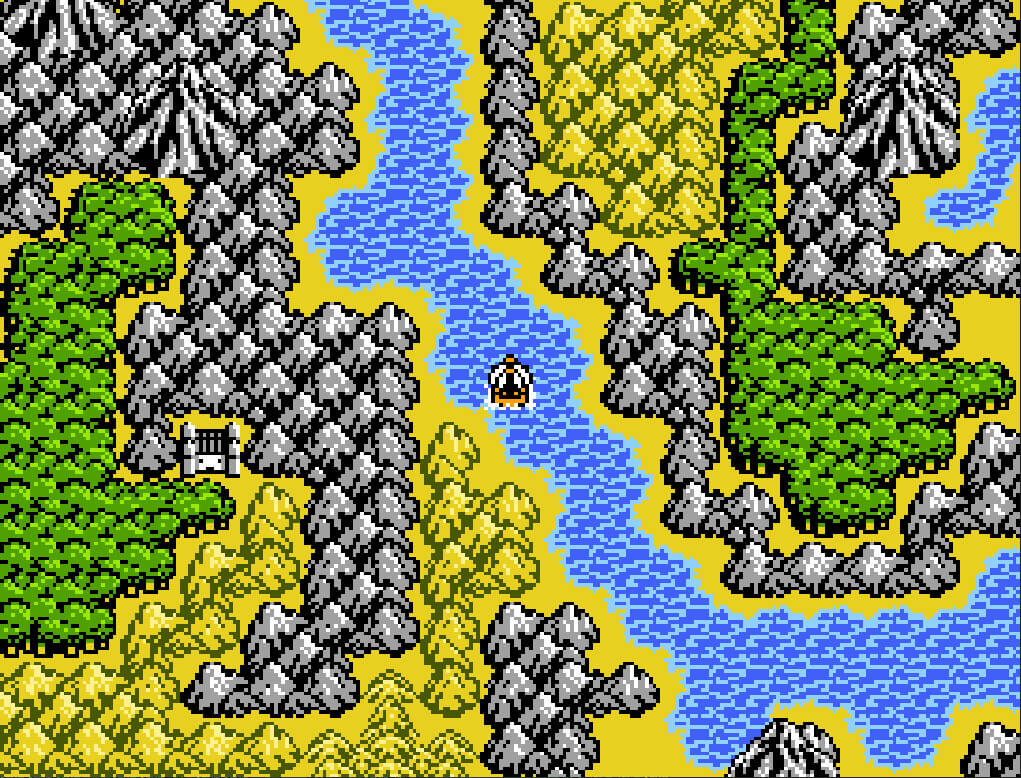
You’re deciding in what order your party becomes capable, with each purchase being a reflection of what you think the party needs next. Equipment gives even more depth to the build of each character, with items with tangible pros and cons.
The appeal is obvious if you’re the sort of person who enjoys messing about in a party and then seeing whether your decisions hold up when you actually get to see the boss. Scarmonde is all about keeping the dialogue to a minimum and putting exploration and combat right at the heart of the experience. It’s very much of an old school presentation and the free demo is a great way to find out if what i say is true.
StarCrawlers
Corporate Dirty Work for a Crew of Your Own Making.

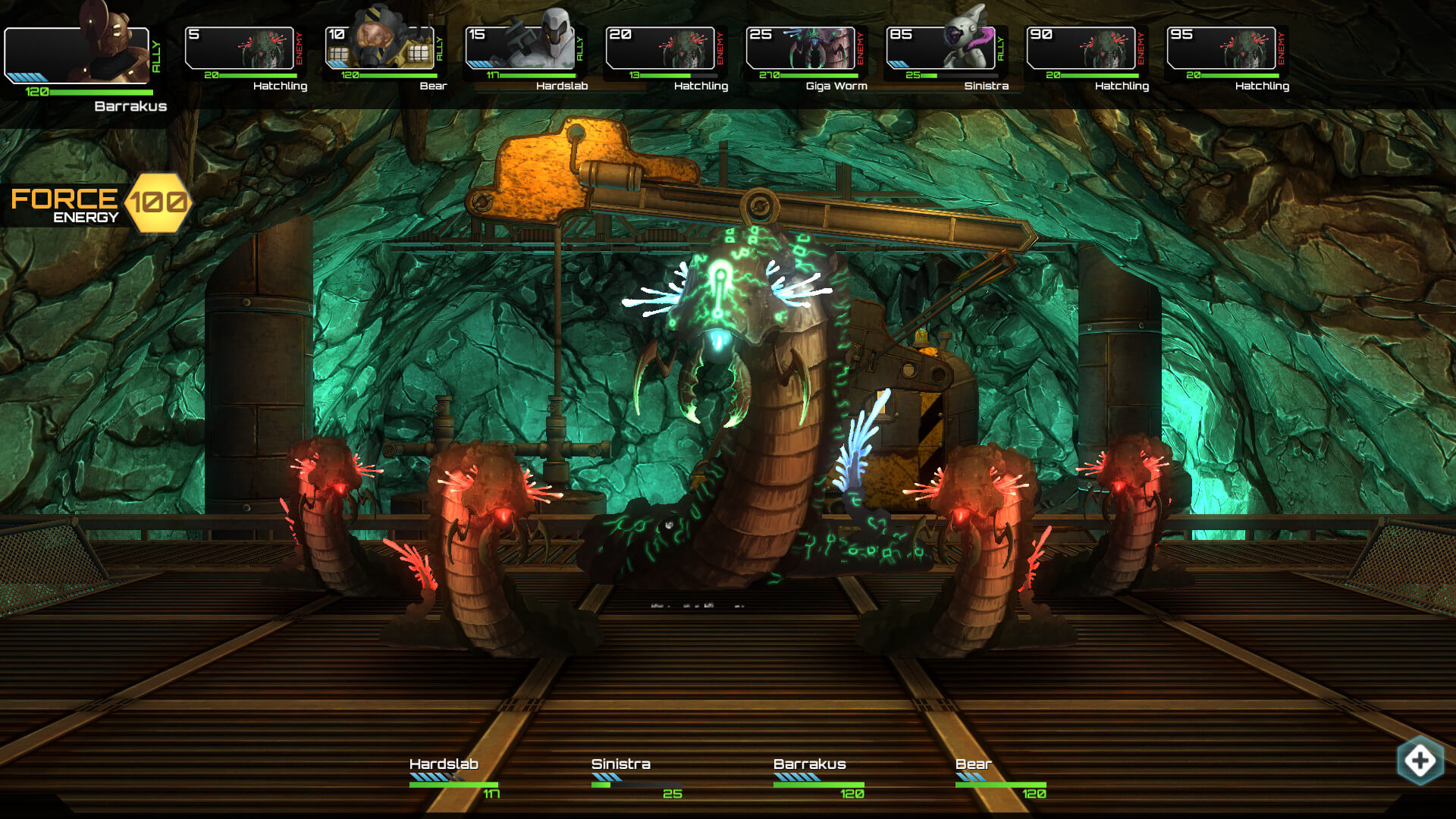
Next one is StarCrawlers, which is all about dungeon crawling in the world of corporate espionage, dubious employers, and mercenaries who just want to get paid. You’re given the option at Juggernaut Games to build a crew of four from eight different classes and then take on jobs which involve sabotage, asset recovery, and all the other things you’d rather not have on your CV. There’s a good amount of first-person exploration as you go through the ships and facilities, which is a nice change of pace.
Hackers and Engineers bring useful skills to exploration as well as combat, so choosing a crew affects how you deal with obstacles along the way.
Combat throws in another layer via its time unit system. Actions have a time cost which in turn dictates how long the character will have to wait before they can act again. The value of an ability isn’t just in the immediate effect it has; the timing of the next turn is also important. Abilities that change the time cost or the turn order in some way provide further avenues for crew coordination.

You take assignments, improve equipment and develop relationships with the corporations offering work. Handcrafted story missions sit alongside procedural jobs, supporting the appeal of taking another contract to try a revised build. The repetition will suit players who enjoy that cycle, especially when finding new combinations is a reward in itself.
There’s also a very good reason to look at it again at this point. The original StarCrawlers got a very significant v2.0 update in November 2026 which was a full rebuild with a host of fixes to saves, missions and combat. For a game that came out in 2017 that’s a pretty good time to look at it again.
Dawnsbury Days
Three Actions Per Turn and Plenty of Tactical Possibilities.
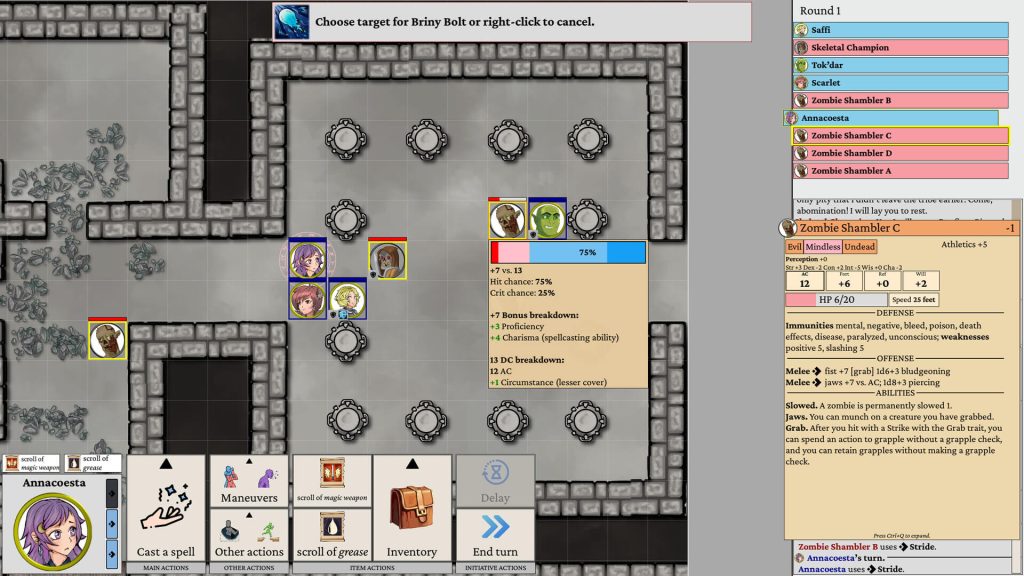
Don’t let the rather basic visuals and UI of Dawnsbury Days put you off as there’s a surprising amount of depth beneath that very basic surface. Three actions are available for movement, attacks, spells, and defenses; all use up that action budget, giving each character a degree of flexibility when it comes to what they do on their turn. The system is from Pathfinder Second Edition, and that’s the system Dawnsbury Studios is using for their adventure, which is about four young heroes trying to protect their hometown.
Repeated attacks in the same turn become less accurate, so throwing out another swing isn’t necessarily the best thing you can do. Flanking, weakening an enemy or helping a teammate can be a better option. That, in turn, encourages you to think about the whole turn sequence of the party. One hero will create an opening and another will take it. Support becomes an active part of winning the fight.
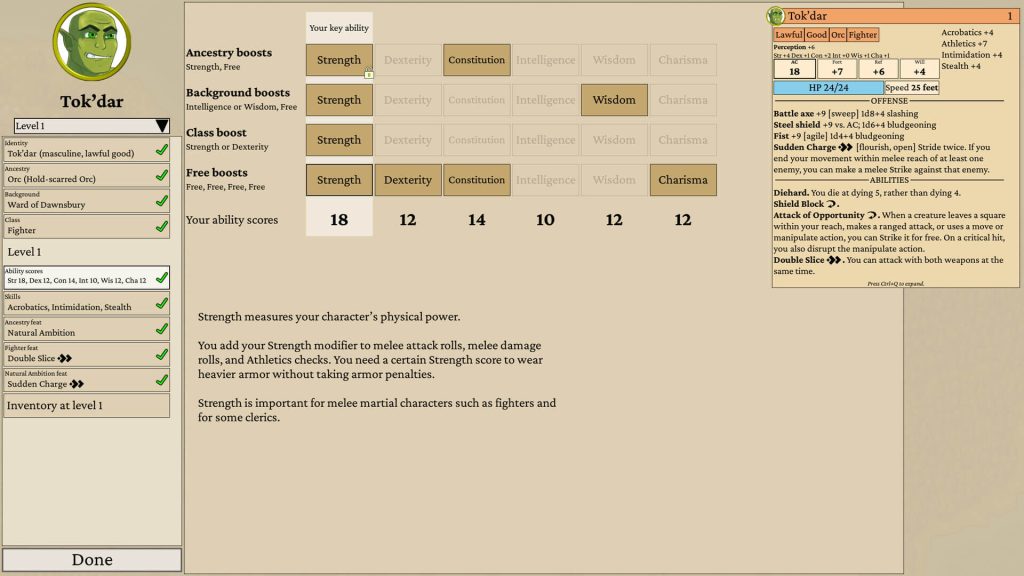
The interface will help you make those decisions by showing you the likely outcome and probability of success prior to you committing. There’s still a hell of a lot to learn but having that information available makes it a lot easier to understand the ramifications of a given action. You can now consider a risky attack against a safe one rather than finding out a key rule after the fact.
There’s also scope to make the four heroes very much your own via their classes, feats and spells, and i think it’s there that the game shines. The small campaign makes trying out another party very attractive, and there are more ways to play via additional content and mod support. It’s very much in keeping with the pitch for players who like tactical combat and want to see how a different tabletop system deals with it.
Soma Union
A Free JRPG That Makes Switching Roles the Key to Teamwork.
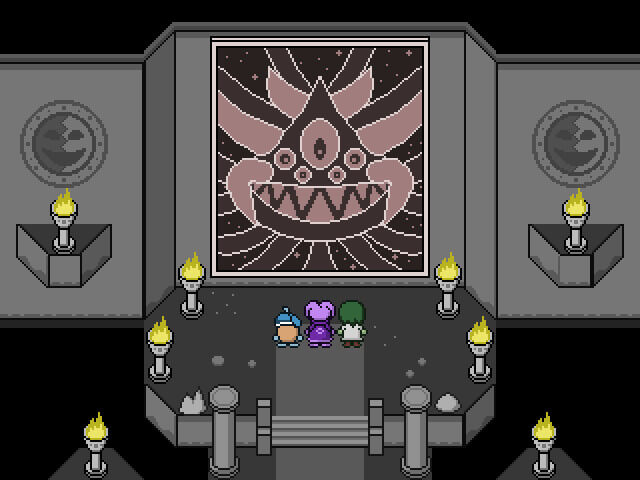
Soma Union is free, fully featured and built on a very nice premise: a spirit called Zero and their companions travel through space collecting the pieces of their shattered home world. Torch60 provides that journey with some lovely pixel art and a cast whose personal issues are just as much a part of the story as the actual work of repairing the planet.
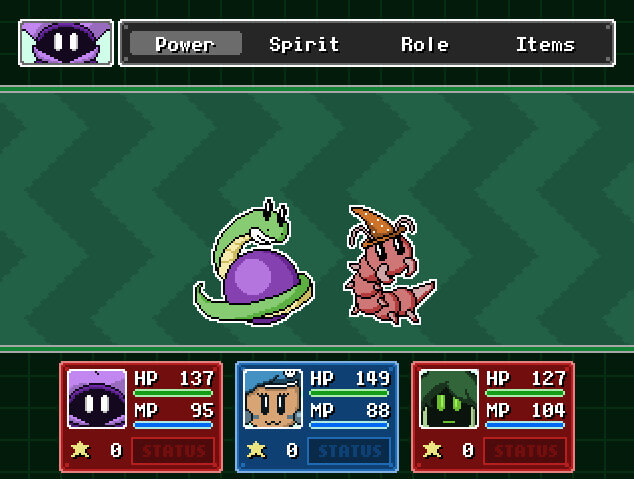
Its best ‘mechanical’ idea is the Role System. The three party members can switch between Power and Support during the battle, determining which abilities they can use. Power is the one that does the direct damage, Support is the one that helps another character do more with their turn. A character’s role in the current fight can change as the fight progresses.
This opens up the opportunity to build an attack. A character with the appropriate elemental ability can do the damage themselves or can assist an ally in using that element. It’s a matter of what the enemy is susceptible to and how you want to deploy the party’s resources with enemies that force you into a different role and require you to change your approach.
Exploration is quite interesting too: forest bounce pads, amusement park-type activities, and factory switch puzzles to give the places you visit a real variety of things to do. Power Gems are a nice addition to the encounter system. You can spend them to skip battles or save them up for the rewards.
That gives you a degree of control over how fast you go through an expedition. In conjunction with the role swapping, that makes Soma Union a very appealing find for anyone who likes the sort of colorful JRPG with a particular combat concept to get their head around.
Dungeon Antiqua 2
Ten Jobs to Mix and Match Through a Compact Dungeon Adventure.
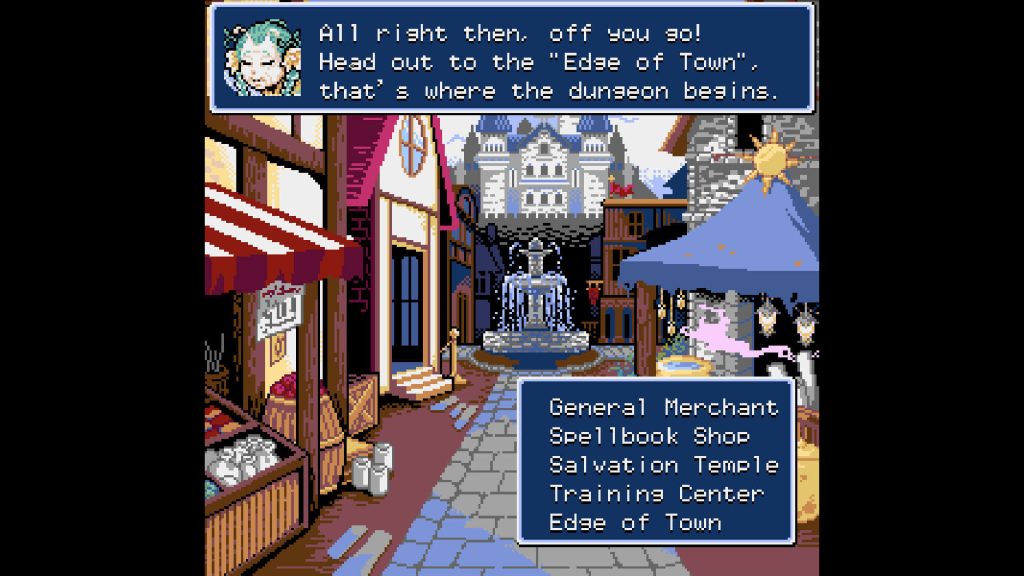
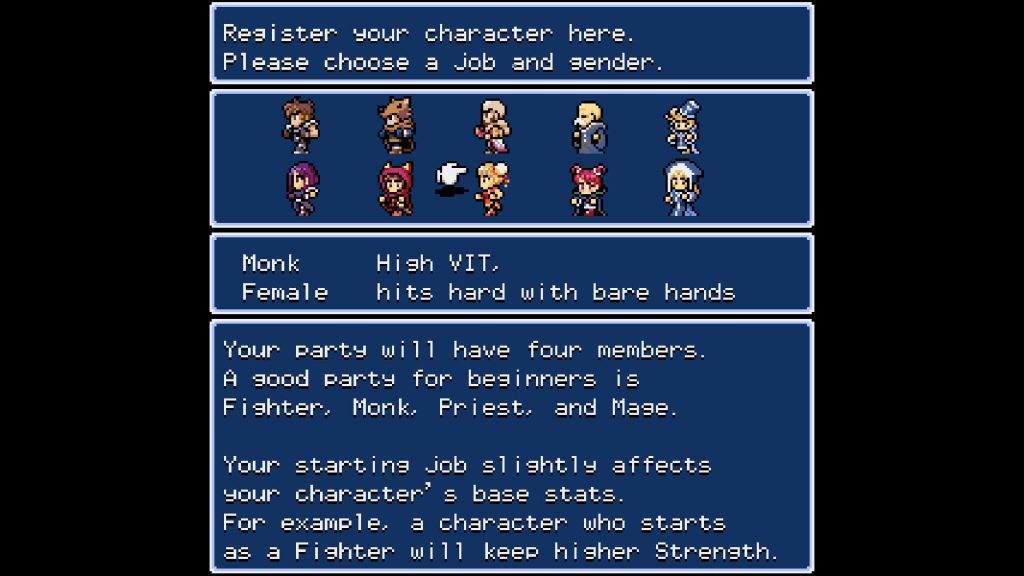
A decent corridor and a fairly incomplete character build can be quite enough to keep an RPG going. Dungeon Antiqua 2 knows this. Released in January 2026, Shiromofu Factory’s sequel is all about exploring six dungeons and building up your party via ten jobs (five of which are available at the start and the rest are unlocked as you go).
The job system is very appealing in this respect as changing a character’s job doesn‘t reset their level. Learned abilities carry over between jobs and you have three skill slots to work with so you can put together all sorts of combinations. Each new job is therefore another set of options for a character you’ve already put time and investment into.
The practical benefit is of course the freedom to experiment without having to go back and rebuild your character from level one. A new ability may well change what you want your character to do, and that in turn will change what the rest of the party needs.
Exploration has its own decisions. The party’s vision dictates which corridors and enemies are on the map, and you have encounters as a result of enemies moving around the map. You can choose to go around them or go in and take the initiative. Paying attention to the dungeon is therefore important prior to the battle screen appearing.
A first playthrough is somewhere between 10 and 12 hours (short dialogue, very little story to interrupt you). That kind of focused scale is very much in keeping with the appeal of testing builds via multiple runs. There’s a Steam demo available with progress carried over to the full game.
These are five hidden RPG gems that I absolutely recommend you give a go. I can tell you straight away that there are a whole heap more games that I’ve still got to share with you. I’ll be bringing them to TBL in due course so there’s plenty more to come. In the meantime I’d be very interested to hear what you think of these picks and more importantly which of the hidden gems you’d recommend checking out. I’m always on the lookout for something new. Until next time, happy turn-based gaming. Ciao
