


The class you pick at the start is only the beginning of your class-type selection. The best RPGs with class selections develop the job system well beyond the initial choice, letting players retrain, inherit skills, advance into additional disciplines, and even create entirely new roles far removed from their original class.
This same concept of flexibility (along with other factors) led me to exclude many RPGs that use a class selection model in which, once a player selects a character’s class upon creation, that is the only class they will ever play. Although there are many RPGs that offer distinct and superior classes, if all that a player does over the course of 60 hours is improve their Paladin class, then that is not exactly what I am referring to when I say that an RPG has a deep job or class system.
In my view, having numerous class options is only half of developing a deep job or class system. The examples in the list below each give players significant ways to use class changes, multiple classes, inherited abilities, skill systems, or viable ways to combine classes to achieve desired results in combat, advancement, or party composition.
Rather than ranking these games, the games listed above represent different ways of structuring character development, ranging from organized job trees and strategic class progression to nearly limitless ability to transform a party.
Final Fantasy Tactics – The Ivalice Chronicles
Mix Jobs, Inherit Abilities, and Build Specialized Units

Few tactical RPGs have ever made such strong ties as Final Fantasy Tactics did in linking together the idea of player character development and the design of battle plans.
When you start out, your units will be able to use a limited set of jobs; however, they will gradually open up additional job choices once you develop those starting positions. There were over twenty jobs and hundreds of abilities in the Ivalice Chronicles. Additionally, the players who acquire new skills will retain them even when their characters change jobs.
The type of job that a unit currently holds is therefore just one part of the way that the unit’s identity is defined, rather than its permanent form. Therefore, for example, a Dragoon has the ability to carry around healing spells that they had previously learned while holding the position of White Mage; similarly, a spellcaster could hold defense-related reactions, movement skills, or support abilities that they had also learned through entirely unrelated disciplines.
To me, it’s easily one of the best examples of character progression in gaming, the kind that keeps you hooked as you chase that next level or crucial skill that’ll turn your character into an unstoppable war machine.
Metaphor: ReFantazio
Switch Archetypes and Carry Skills Across Different Roles
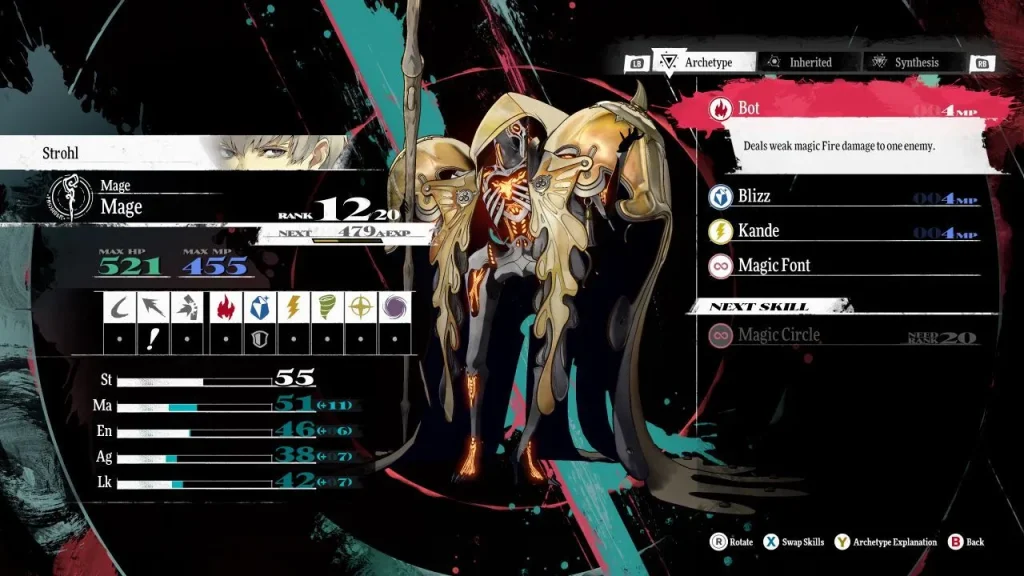
The Archetypes in Metaphor have all the functionality of traditional RPG Jobs; however, their development will be directly tied to the game’s social and time-management aspects. Relationship development with followers will allow players to unlock new lines of archetypes. Further developing these relationships will grant access to more advanced archetypes and allow further customization of your character.
Players will have 46 different archetypes at their disposal. These archetypes will fall under categories like Warrior, Knight, Mage, Healer, Commander, Summoner, and Masked Dancer.
Players can train any party member they have to unlock an archetype. Abilities developed using one archetype can be used forever by that party member after spending MAG. Additionally, when compatible archetypes are partied together, they will receive Synthesis abilities based on the makeup of the party currently being played with.
This created a unique situation where advancing story elements and building your party are directly related.
Final Fantasy V
Master Jobs to Create Powerful Cross-Class Builds
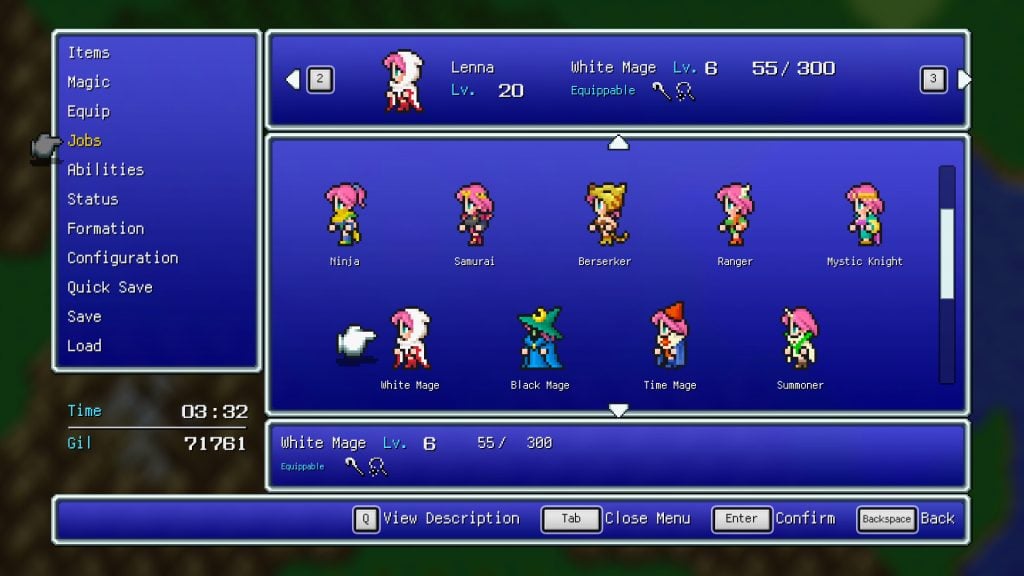
Final Fantasy V defined much of what job-based RPGs would follow today. Characters acquire Ability Points to advance through jobs and learn commands & passive effects that they can then equip while using another profession. The modern Pixel Remaster preserves this structure with adjustable experience and ability point multipliers for those who want to reduce the original grind.
Jobs in Final Fantasy V cover a great deal more than just physical, magical & healing roles. Blue magic jobs learn techniques from enemies.
Mystic Knights apply spells to their weapons. Chemists create effects by combining items. Beastmasters manipulate creatures encountered during the player’s journey. Even apparently straightforward jobs such as Monk and Ranger contribute valuable abilities to completely different builds.
The Freelancer eventually reflects all the work put into mastering each job, and it uses the highest stat bonuses obtained from them. This makes what appears to be at first glance a basic starting class, turn into a late-game platform for customized ability combination options.
Bravely Default II
Pair Main and Sub-Jobs Around the Brave & Default System
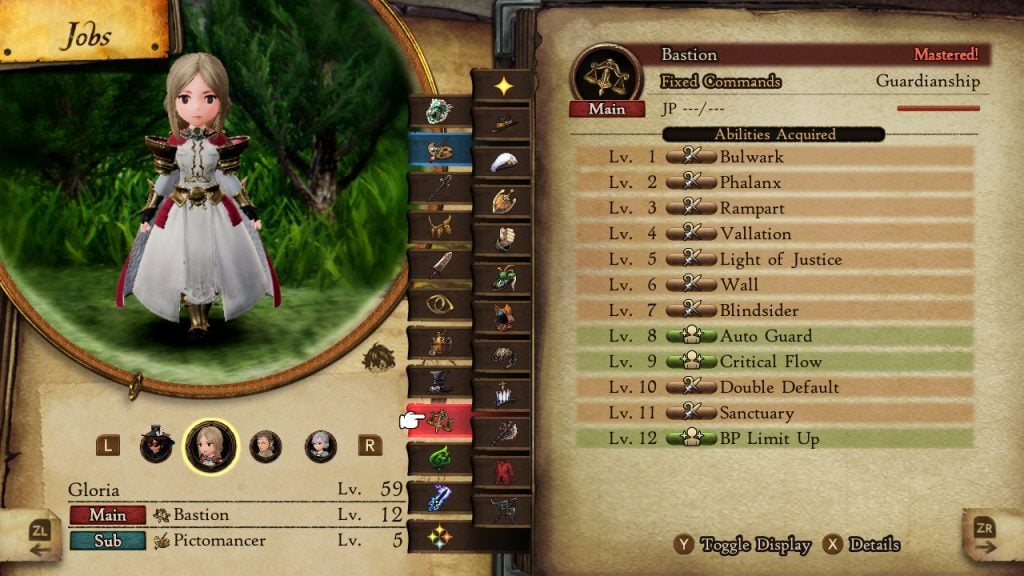
All characters in Bravely Default II have two professions, each with its own full set of commands. The Primary Profession is where your main character will fall under, and your Secondary Profession is where you add another Full Set of Commands.
Most new Jobs can be obtained after you defeat an Asterisk Bearer, which means most major encounters are both boss battles and ways to grow your party’s tactical vocabulary.
The Brave & Default system makes these combinations much heavier. When a character Defaults, they save their Brave Points but take less damage. When they use their Brave Points to make additional actions on their turn (in addition to one action), this too will weigh heavily in their overall turn economy.
Therefore, when evaluating jobs, we cannot just look at what damage they do. One job may give the commands a character uses; another job may dictate their role in combat as a whole; passive abilities that characters learn can support both.
Baldur’s Gate 3
Multiclass Freely Across Twelve Distinct Character Classes
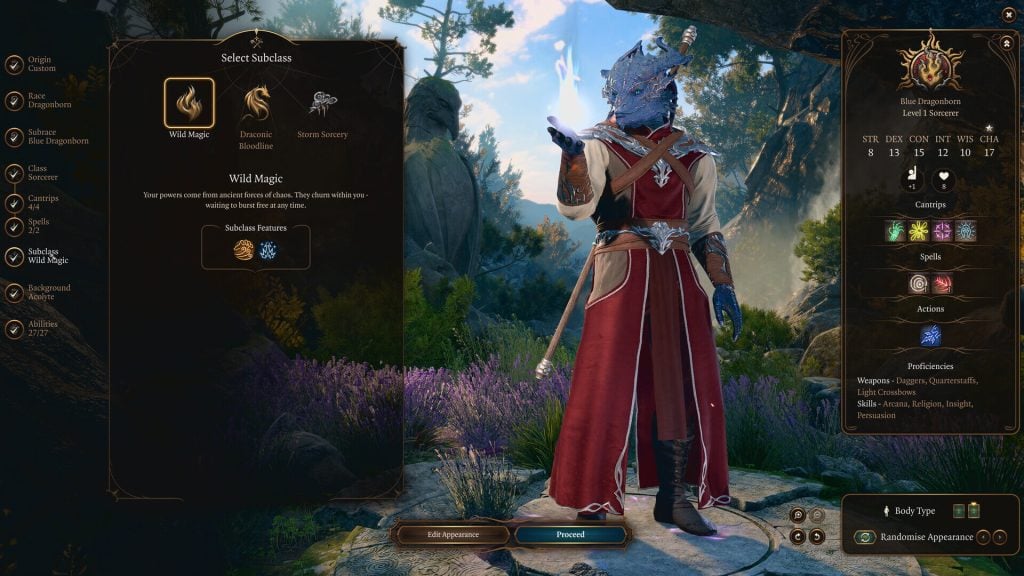
Baldur’s Gate 3 approaches class building differently from job-switching JRPGs. Characters develop through 12 base classes, each divided into subclasses that alter spell access, passive benefits, combat resources, and role-playing possibilities.
Patch 8 expanded the selection with one additional subclass for every playable class, bringing options such as the Hexblade Warlock, Circle of Stars Druid, Arcane Archer Fighter, and Swashbuckler Rogue into the game.
Multiclassing allows every new level to be invested in a different class. Larian also removed the tabletop ability-score prerequisites normally associated with multiclassing, leaving characters free to pursue almost any combination. The game originally launched with 12 classes and 46 subclasses before the Patch 8 additions.
That freedom carries meaningful opportunity costs because a small investment in another class may provide weapon training, armor proficiency, spells, or a useful combat resource, but it also postpones the higher-level abilities of the original class. With a level cap of 12, every diversion affects the finished build.
Dragon Quest VII Reimagined
Master Vocations and Combine Advanced Roles Through Moonlighting
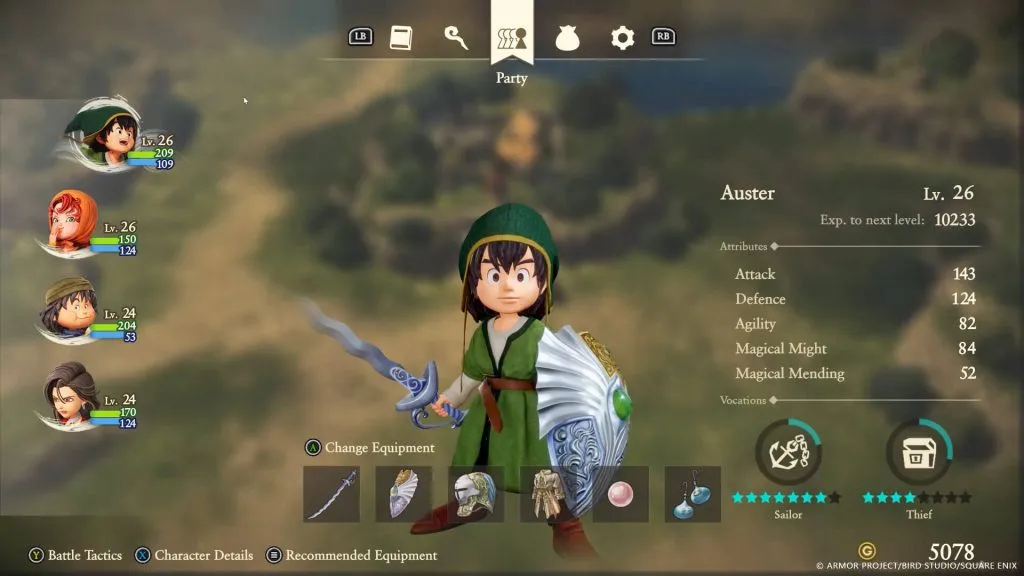
The vocation system was already one of the defining elements of Dragon Quest VII, and the 2026 remake expands it with character-specific starter vocations and the new Moonlighting mechanic. Party members improve vocation proficiency to learn spells and abilities, beginning with accessible disciplines before working toward intermediate and advanced professions.
Ten beginner vocations form the initial foundation, while stronger jobs such as Hero and Druid require the mastery of earlier branches. Moonlighting eventually lets a character use two advanced vocations simultaneously. Each profession also carries a Vocational Perk that can be activated when the character becomes worked up during combat.
The addition of dual vocations changes the system from a mostly linear progression ladder into a framework for hybrid builds. Two spell-oriented vocations can create a highly specialized caster, while mixing offensive, defensive, or support disciplines produces more adaptable party members. Character-specific starter jobs preserve some individuality before the broader vocation system opens.
The remake streamlines several aspects of the original adventure without flattening one of its most important progression systems.
Fell Seal: Arbiter’s Mark
Mix Classes, Subclasses, and Passives for Custom Tactical Units
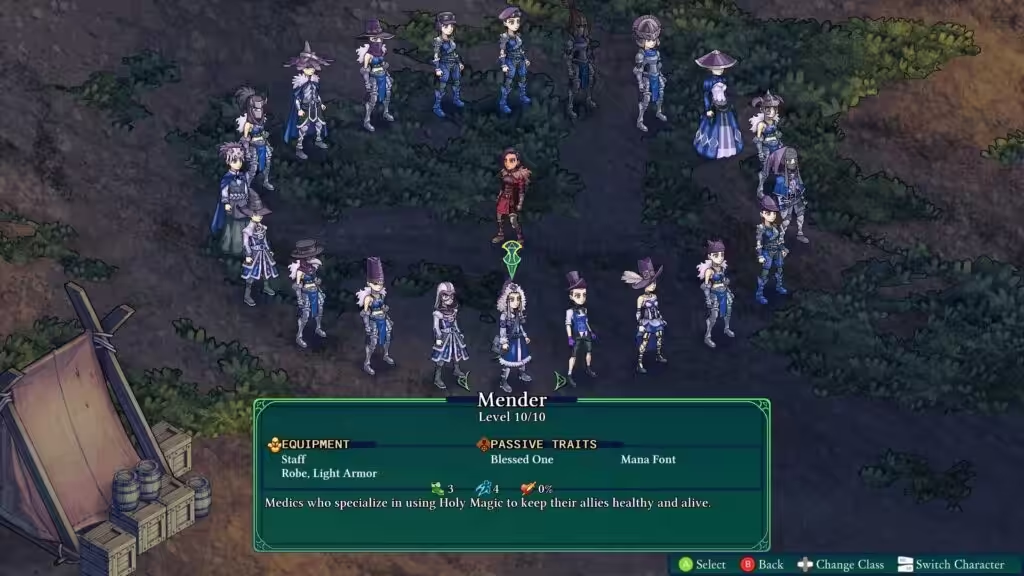
Fell Seal: Arbiter’s Mark is one of the closest modern relatives of Final Fantasy Tactics, particularly in the way it lets individual units carry abilities across multiple professions. Its roster includes more than 30 classes and 300 abilities, with each character able to equip a primary class, a subclass, and a selection of passive skills.
Generic recruits can be shaped almost entirely around the needs of the squad. One unit might become a dedicated spellcaster with access to two schools of magic, while another can mix a durable frontline class with support commands or ranged attacks. Story characters bring unique professions into the same framework, giving them distinctive strengths without removing access to the wider job pool.
Class prerequisites encourage planned development paths. Reaching a desired advanced role may require experience in several earlier jobs, but the abilities learned along the way remain valuable. The journey toward a class therefore contributes to the eventual build instead of functioning only as an unlock requirement.
Crystal Project
Discover New Classes and Build Around Subclasses and Threat
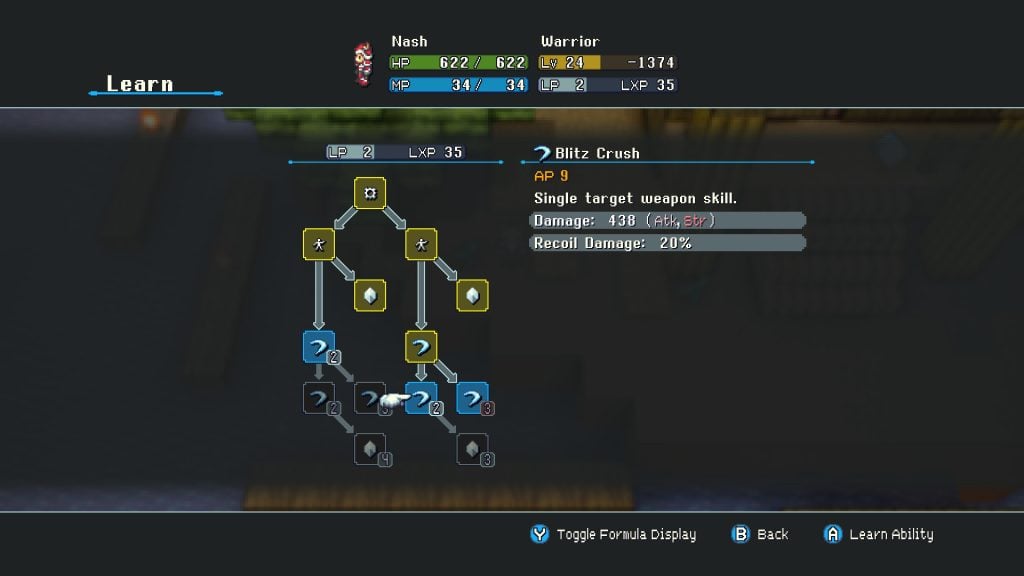
Finding a new class in Crystal Project is part of exploration. The game scatters class-unlocking Crystals across its open world, meaning that reaching a remote location can expand the party’s combat options just as significantly as discovering a powerful piece of equipment.
Once unlocked, classes can be assigned alongside subclasses, passive abilities, and specialized items. The battle interface exposes turn order, expected damage, probabilities, and enemy threat, making it easier to understand exactly how a build affects combat.
Threat is an explicit mechanic, so defensive characters can be constructed around controlling enemy attention instead of relying on unclear targeting behavior. Speed adjustments can be evaluated against a visible timeline, while damage previews show whether a new passive or equipment change has meaningfully improved an attack.
The system supports recognizable party composition, including the traditional tank, healer, and damage-dealer arrangement, but it does not require them. Subclasses can patch weaknesses, double down on a specialty, or give a character a secondary function.
Troubleshooter: Abandoned Children
Shape Character Classes Through an Enormous Mastery System
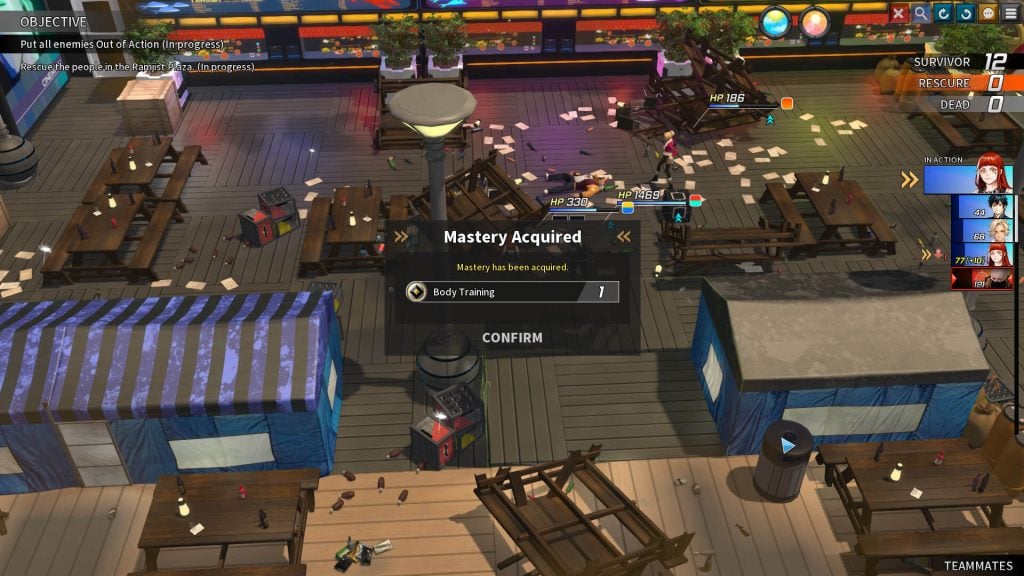
Troubleshooter: Abandoned Children allows each character to have unique class options and to progress through classes that allow them to take on new roles on the battlefield. However, what really adds layers of complexity is the Mastery System, on top of these classes.
Players are allowed to create nearly one thousand masteries related to level, profession, and defeating enemies. When certain combinations of Masteries are equipped together, it creates an added effect; when you acquire and incorporate enemy traits, they can become part of your player’s character builds.
There is a whole other type of freedom here. Although Albus will always remain a sword-wielding Troubleshooter, he can also be configured as a mobile attacker, counter-focused duelist, a front-line defensive fighter, etc. There are also many other types of classes, resources, and mechanical priority systems for other characters.
Because mastery sets are encouraged to be combined deliberately and not just by stacking the best single bonus, there is no longer a simple solution to creating the best build.
One change in a trait could trigger the completion of a set of skills, create a new effect, or even cause all of the previous Masteries that worked together previously to start interacting differently. This can make rebuilding an improved build a much larger undertaking as the number of choices available increases.
Disgaea 7: Vows of the Virtueless
Master Classes, Reincarnate, and Rebuild Characters Again and Again
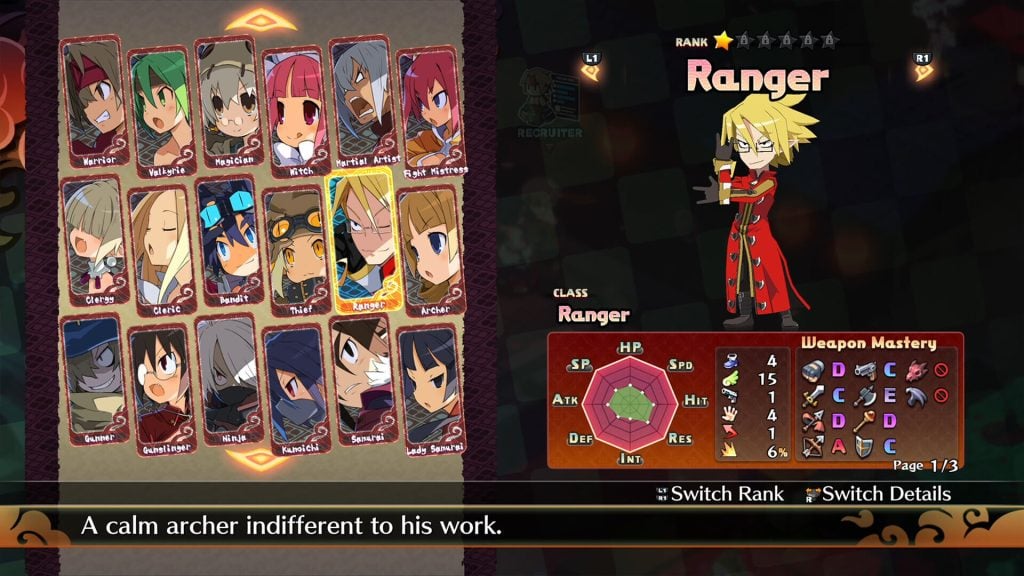
Most all class-based RPGs ultimately expect players to create their ultimate party composition. Disgaea 7: Vows of the Virtueless treats final builds as something to constantly break down, retrain, and take even further.
There are over 40 playable character classes in Disgaea 7. Many of the classes are made available for play by finishing specific quests during the course of the campaign.
Once you have access to them, generic fighters can recruit from each profession; and unique characters can also gain proficiency in multiple classes. Proficiency in a class raises your base stats and gives you stronger characters when you create or rebuild characters at a higher class rank.
Disgaea 7’s reincarnation allows previously developed characters to be returned to level one but retains part of what they’ve learned along the way. As such, you’re able to recreate the same character repeatedly with potentially better long-term potential.
Additionally, the item world is used to develop/progress your equipment. This time around, Disgaea 7 introduces item reincarnation, which enables transferring rare/unique properties among various forms of items.
The three primary systems (class training, reincarnation, and equipment) work together. Your class training will affect your ability to reincarnate; your reincarnation will affect how much room for additional growth there will be going forward; and your equipment progress will provide even more ways to make your units specialized. Ultimately, this process goes far beyond just completing the main story.
Optimizing your party to this extent does require a significant amount of grinding; therefore, this may not be ideal for all players. However, for players who consider building their party to be the ultimate goal/endgame experience, Disgaea 7 offers an incredibly endless progression loop.
These are 10 turn-based RPGs that, in my opinion, feature some of the best class systems available right now. Of course, let me know what you think and if you know of any other great games that deserve a spot on this list. See you next time. Ciao

