


This was the event I was looking forward to the most at this year’s Tokyo Game Show, and it looks like we did manage to get a few interesting announcements out of it. So, here are all the PC Gamer reveals that caught my attention, along with the full event video.
WANE
- Developer: Metis Creative
- Publisher: Shoreline Games
- Platforms: PC via Steam
- Release date: To be announced; demo planned for 2027
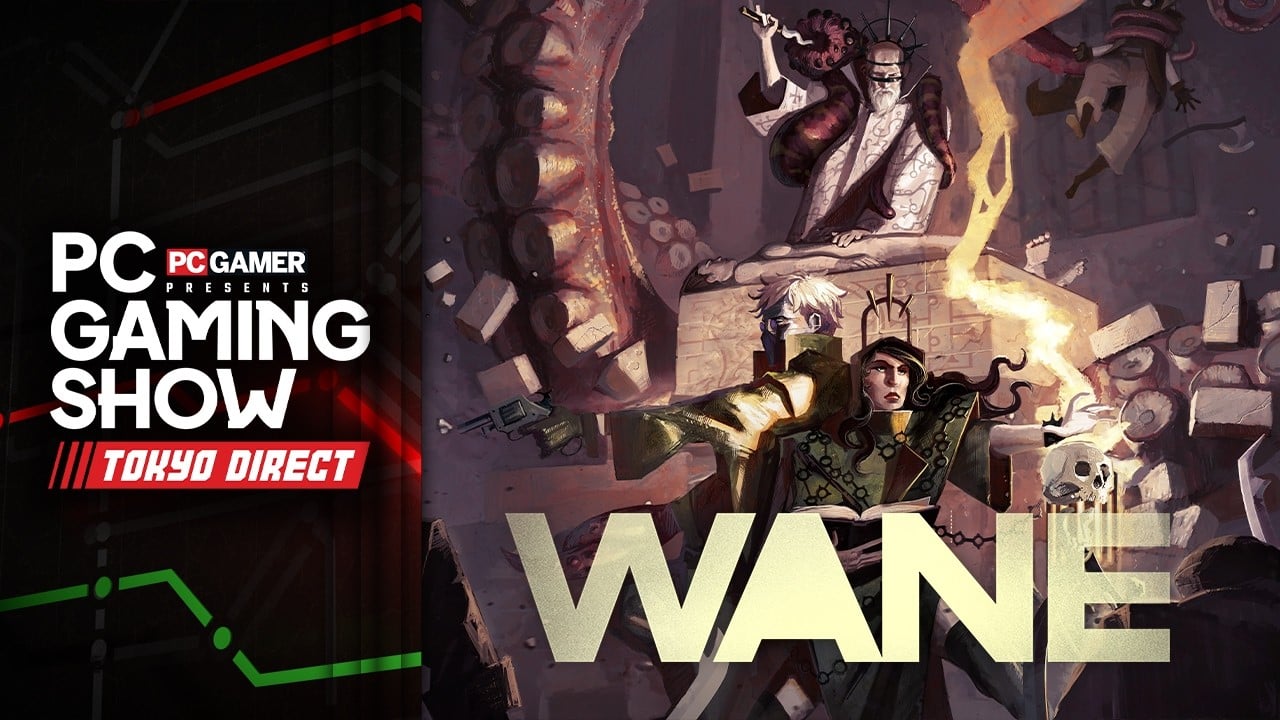
An archaeologist’s deteriorating memories provide an unusual setting for a tactical RPG, and WANE follows that premise with an equally unusual cast.
Developed by the studio behind tabletop RPGs such as Historica Arcanum, it follows Declan Wayne and his attempts to recover his mind through expeditions into Ravelle. The mercenaries and occultists available for recruitment include a demon-afflicted assassin and a former fighter pilot turned mecha.
You assemble a three-character party and descend through three distinct biomes, fighting grid-based, turn-based battles along the way. Those expeditions also require money, so between runs, Declan operates an antiquarian business, appraising and selling recovered artifacts to finance supplies, wages, medical treatment, and improvements to the base.
Lufia I & II The Sinistrals Saga
- Developer: TAITO
- Publishers: TAITO, Clear River Games
- Platforms: PC via Steam, PlayStation 5, Nintendo Switch, Nintendo Switch 2
- Release window: 2027
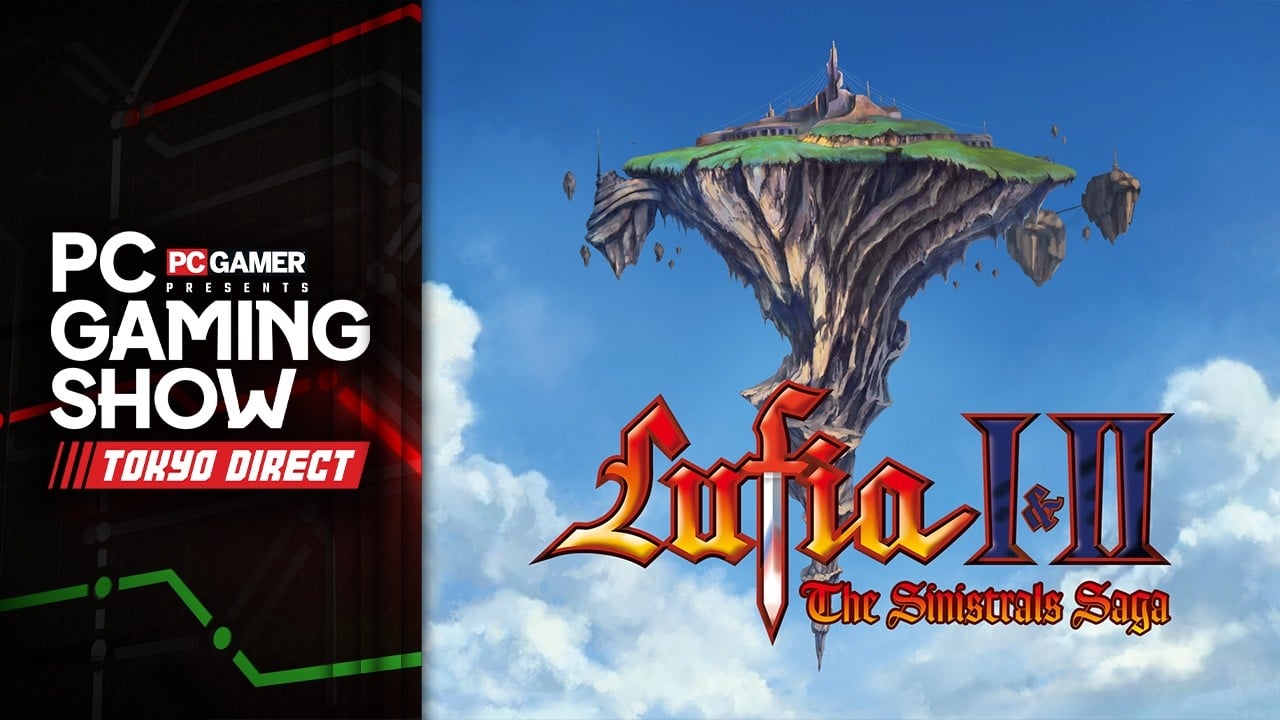
For those of you who grew up with Super Nintendo RPGs, this is probably a godsend. Lufia I & II The Sinistrals Saga brings Lufia & the Fortress of Doom and Lufia II: Rise of the Sinistrals together in a collection for modern platforms. It also marks the first official PC release of these two games.
The collection contains two connected adventures. The Fortress of Doom follows a descendant of the legendary hero Maxim, while Rise of the Sinistrals is a prequel that tells Maxim’s own story. Both belong to the series’ original 16-bit era, developed by Neverland in collaboration with TAITO.
TAITO has confirmed that the collection retains the original pixel art and introduces new gameplay features, although the announcement does not yet detail the full set of additions. Original series designer Masahide Miyata has also revisited the Japanese script to introduce kanji, which were limited in the SNES versions due to memory restrictions. This is a collection of the original games with enhancements, not a newly announced 3D remake.
Piroker
- Developer: HABBY.FUN
- Publisher: HABBY.FUN
- Platforms: PC via Steam
- Release date: To be announced; Steam Playtest sign-ups available
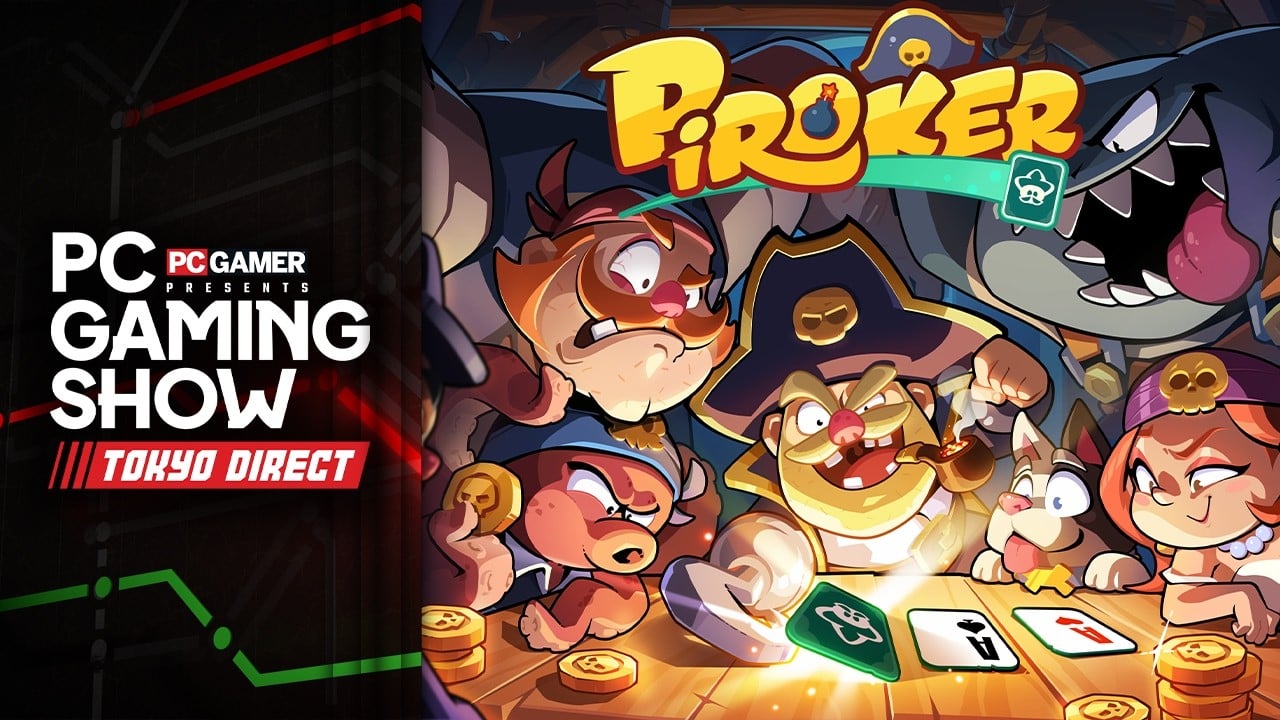
Poker and autobattlers meet on the high seas in Piroker, another strategy game shown during the PC Gaming Show Tokyo Direct. It is an eight-player PvP autobattler where pirate crews compete through a combat system inspired by Texas Hold’em, with poker hands determining how effectively your units can attack the opposition.
One of its more interesting ideas is that everyone works with the same cards on the shared board. The differences come from your chosen hero and, more importantly, the relics collected during the match. These can modify card ranks and suits, change scoring rules, and open the way to very different combinations even when everyone starts from the same information.
Piroker does not have a release date yet, but players can currently sign up for its Steam Playtest.
HELLCARD II
- Developer: Thing Trunk
- Publisher: Skystone Games
- Platforms: PC via Steam
- Release window: Q1 2027; demo available now
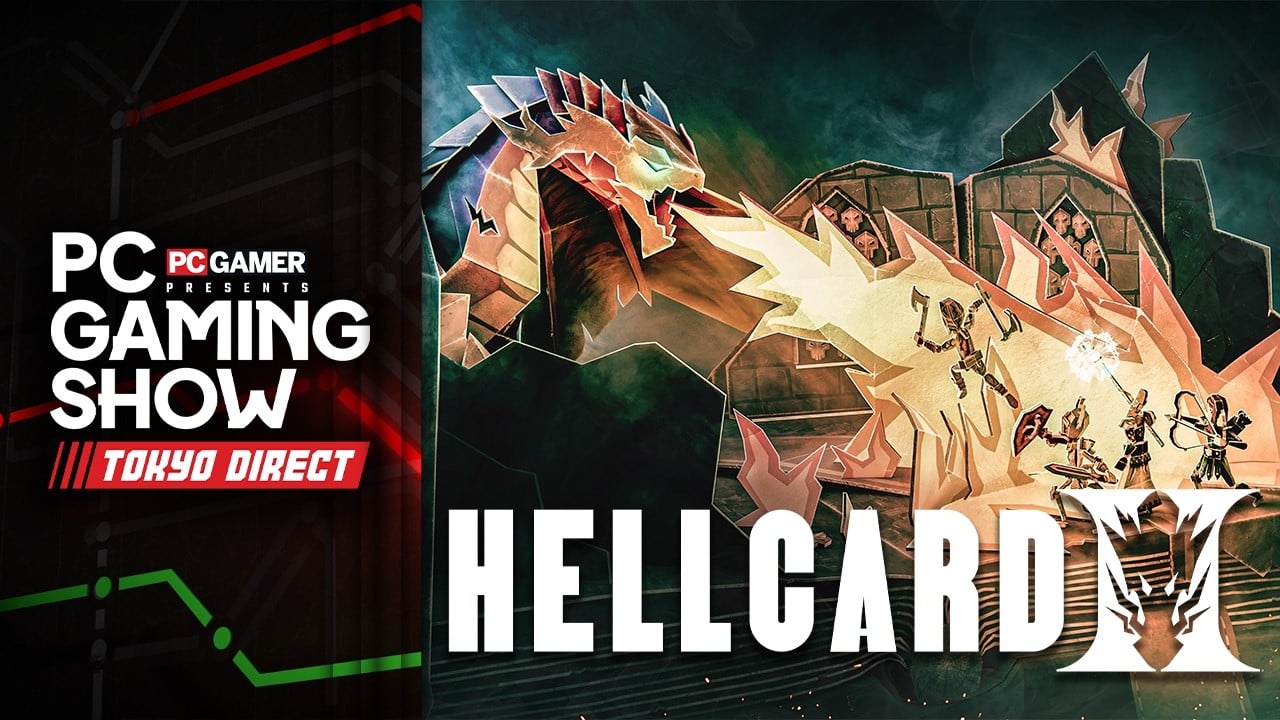
HELLCARD II arrived at the showcase with something you can already try: a new playable demo. The cooperative roguelite deckbuilder returns to the paper-crafted world shared with HELLCARD and Book of Demons, with new environments, storylines, and a dragon threat to confront.
Battles support up to four heroes, and solo play gives you control of the entire party. Enemy placement is an important part of the card combat: monsters occupy melee or ranged distances and are divided between the heroes. Choosing targets and coordinating card effects therefore requires attention to where enemies are positioned. In multiplayer, those decisions are shared with the rest of the group.
One of the sequel’s main additions is a deeper equipment and character-stat system. Unlockable gear changes a hero’s appearance while also modifying their deck, statistics, and buffs. That gives character preparation a larger role before a run begins, alongside the deckbuilding decisions made during an adventure. The demo provides an early opportunity to see how these additions work with the returning combat system.
Toxic Frontier
- Developer: Mint Gate Games
- Publisher: Meteorbyte Studios
- Platforms: PC via Steam
- Release window: Q1 2027, according to the current Steam listing
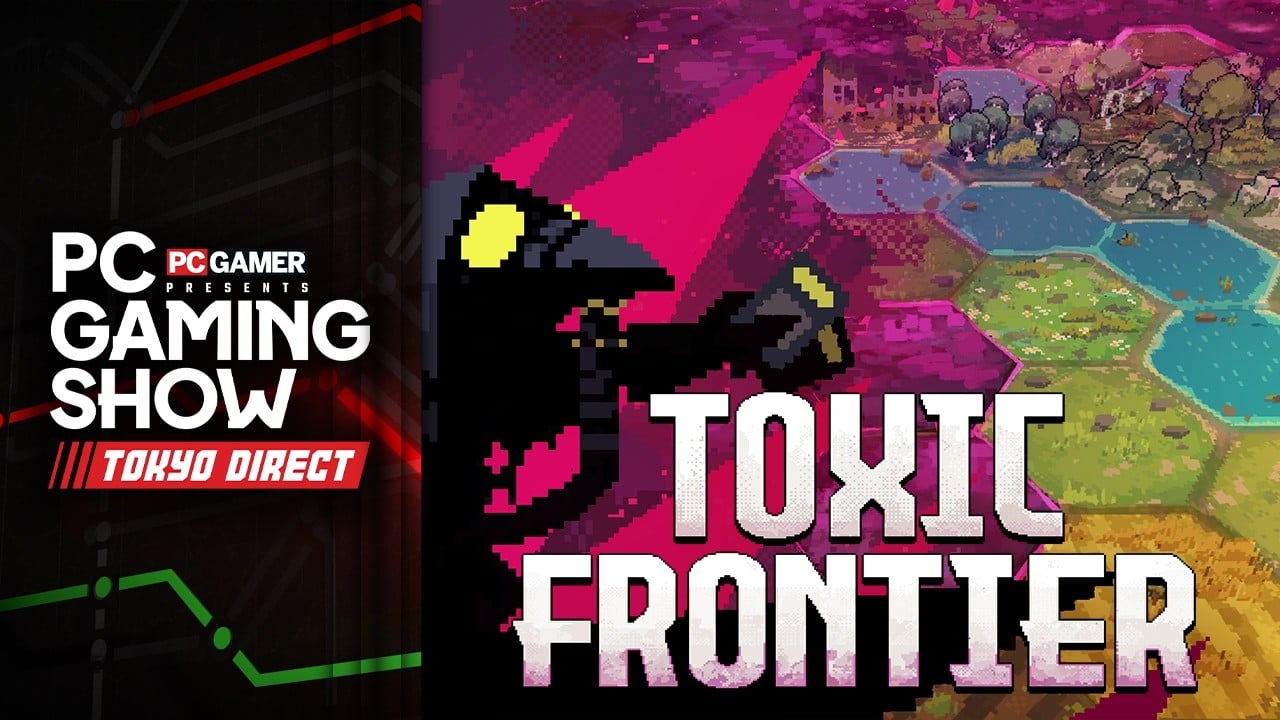
Toxic Frontier takes the roundup away from dungeon battles and into settlement building. This newly revealed card-driven roguelike city-builder starts with a small foothold in a radioactive wasteland. By placing cards across a hexagonal map, you expand a colony, uncover more territory, and attempt to make the surface habitable again.
The main challenge is finding useful interactions between cards and terrain. Cards represent elements such as villages, forests, mountains, and lakes, and their placement can trigger upgrades.
The announced features include more than 40 cards, three biomes with different conditions and mechanics, four game modes, and two story endings.
Fool King
- Developer: Loot Donkey
- Publishers: Firefly Studios, WuselFaktory
- Platforms: PC via Steam
- Release date: November 16, 2026, in Early Access; demo available now
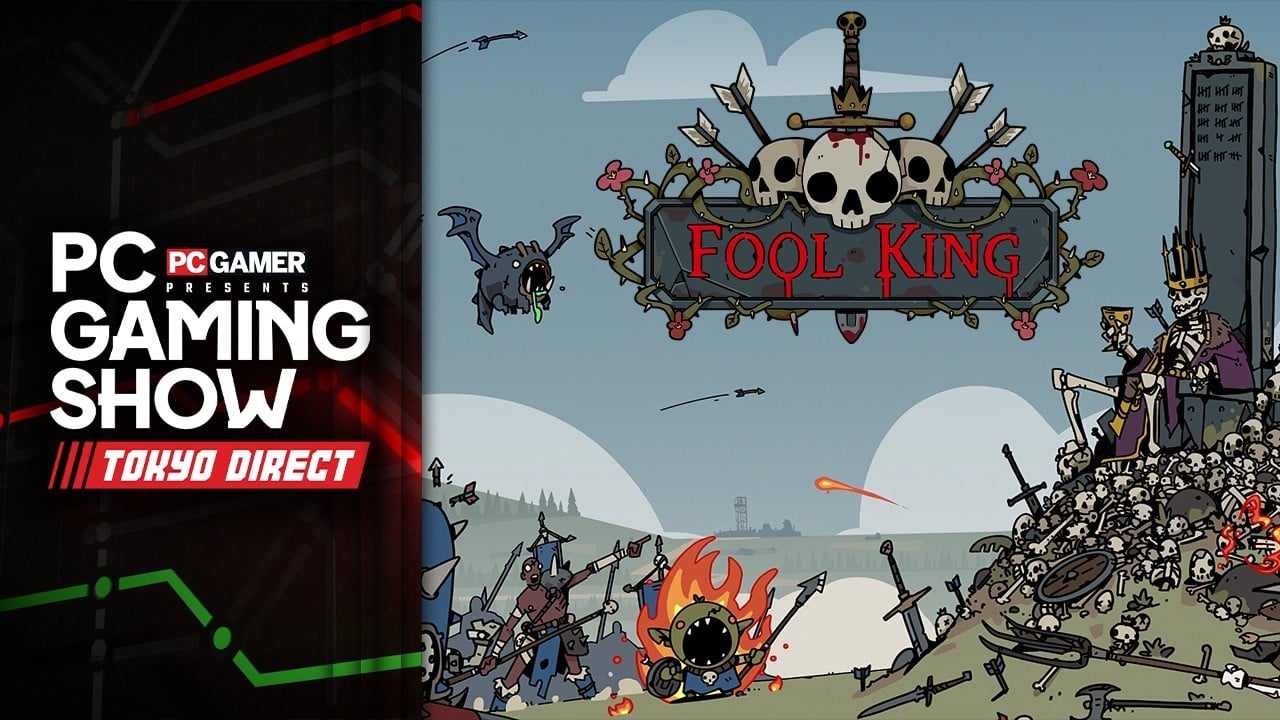
We finish with an autobattler in which the objective is to take the throne, then become someone else’s problem. Fool King sends you through a series of battles against armies saved from other players’ attempts. Its asynchronous multiplayer format means those opponents do not need to be online when you challenge their forces.
Before combat begins, you recruit and upgrade units, establish formations, and set initial orders. The fighting then plays out automatically. Terrain features, including chokepoints and tall grass, influence deployment, while units from three factions, relics, and blessings associated with four gods give you different ways to develop the army.
The most interesting twist comes after reaching the throne. A successful challenger becomes the Fool King, taking the role of the final boss for other players. The new ruler can also issue decrees that alter the rules for subsequent challengers. Winning a run therefore changes what the next would-be king has to overcome.

