

I noticed that I had already talked about Thornetica back in March this year, only to mention it again a few hours ago as one of 10 interesting demos to try during the Party-Based RPG Fest 2026. Yet, through all of that, one thing was still missing: a proper overview page gathering all the general information about this intriguing SRPG.

Choosing the cast is part of building your party in Thornetica, an upcoming strategy RPG developed and published by Forbidden Candy.
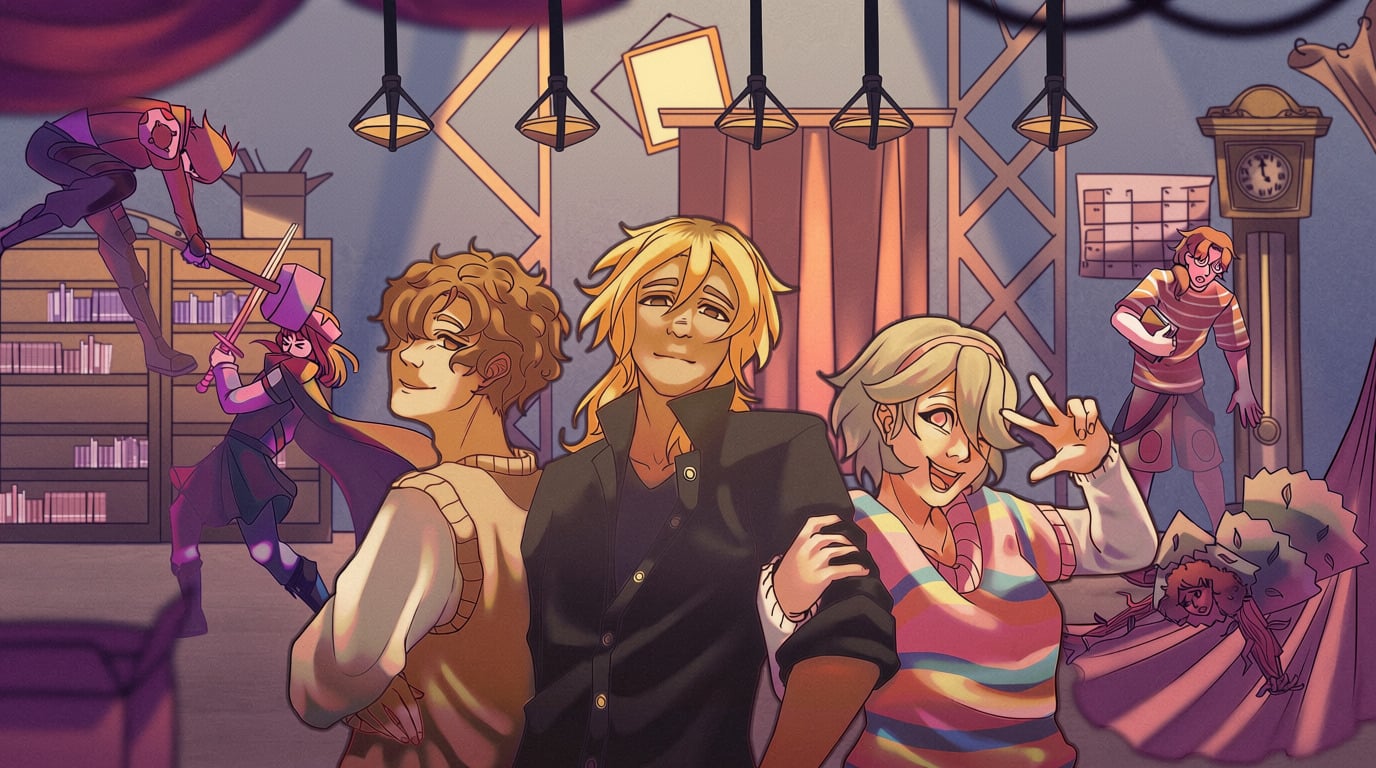
The game follows the members of Kent University’s theater club as they stage a production about the conflict between the houses of York and Lancaster. Each chapter recreates a battle within the play, while time between rehearsals lets you get to know the students behind those historical roles.
Casting Decisions Affect More Than the Script
Battles use separate player and enemy phases, giving you control of your team before the opposition responds.

The opening chapter, Jack Cade’s Revolt, introduces this structure, with six unit classes covering Cavaliers, Archers, Swordfighters, Priests, Engineers, and Trees. That last entry should give you some idea of how freely the game approaches its theatrical premise.
The casting system is where things get more interesting. You choose which student plays each character, and those assignments affect both unit stats and dialogue. The developer uses the Duke of York as an example: different club members can take the role, changing its combat performance and its interactions within the play.

It raises a straightforward question: do you cast for the numbers, or for the conversations you want to see?
Friendships Between Rehearsals
After clearing a map, you return to the backstage lounge with a limited number of social actions.
This gives the downtime its own decisions, since you cannot simply spend time with everyone at once. Activities can improve relationships with individual characters or develop three social stats: Maturity, Honesty, and Comradery. Closer friendships can also become romantic relationships.

Those interactions include playing pool or air hockey, going on dates, and learning about the personal struggles that brought these students together.
The developer describes the project as Fire Emblem meeting Persona, a useful shorthand for its division between tactical encounters and social time. The theater setting gives that structure a more specific identity, particularly when friends become opponents during a performance.
A free Steam demo is available now. It contains the first three acts and takes approximately 90 minutes to complete. The full game is coming to Windows PC through Steam in Q4 2026.


