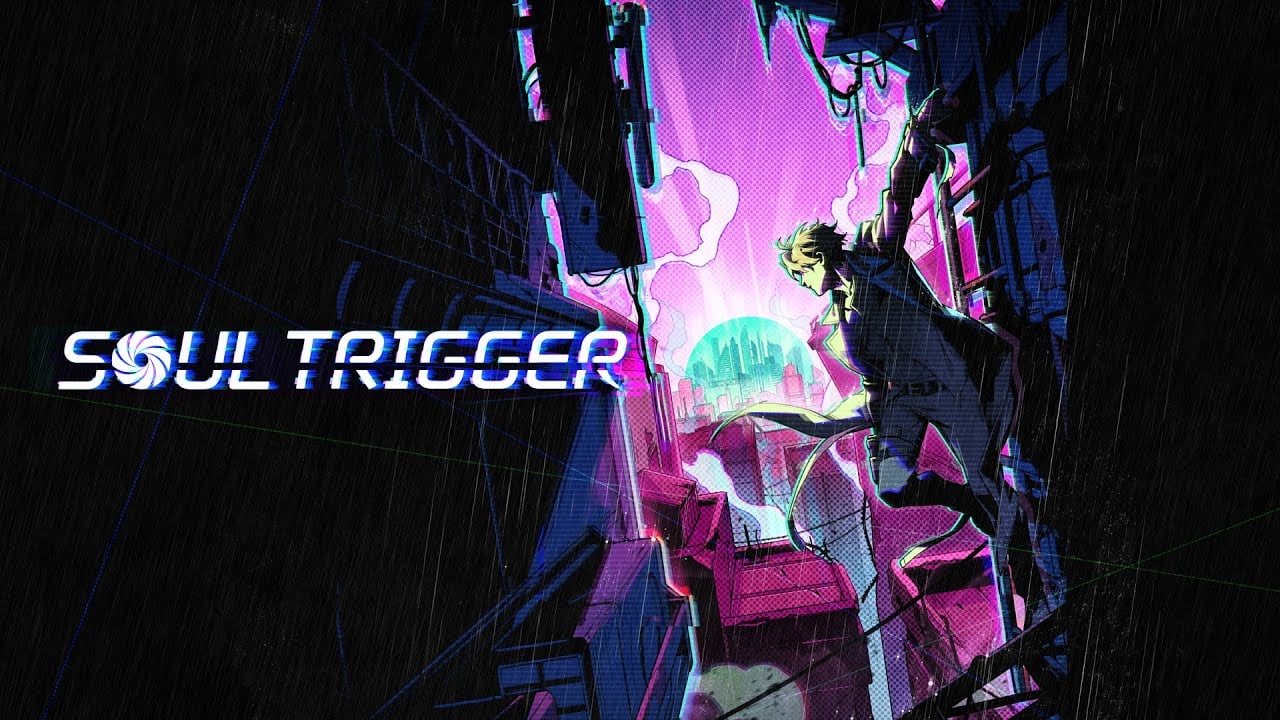


The new version changes the core structure, adds 111 traits, and requires players to start over.
Soultrigger has received a major 2.0 update, and this one goes far beyond the usual patch notes. The development team (YHDATABASE) has rebuilt the game’s core structure after launch feedback, turning it into a roguelite RPG built around expeditions, run-based upgrades, and a much larger trait system.

The change is big enough that old save data no longer works because Soultrigger 2.0 is not a simple balance update, but it changes how the game flows from one area to the next, how rewards work, and how builds come together during combat.
The old structure, where players cleared a zone and returned to base, has been replaced by an Act based Expedition System.
Each expedition now takes players through several zones in one run. Upgrades earned along the way stay active for the rest of that expedition, and clearing a chapter means surviving until the final zone and defeating its boss.
It gives the RPG a more direct roguelite rhythm, with each run asking players to adapt to the rewards and choices they find along the way.

The trait system is now the center of that loop. After each battle, players pick one of three trait cards from a shared pool. These can affect the entire party, a specific character, an individual skill, or a tag linked to a certain combat style.
If a player draws a trait they already have, it levels up rather than appearing as a duplicate. Each trait can scale up to five levels, so repeated picks can push a build in a clear direction over the course of an expedition.
There are 111 traits in total. Common traits apply to the whole party, while character-exclusive traits are tied to Harang, Siu, Valentin, and Lok.
Skill-specific traits change how individual abilities behave, including their damage, range, or utility. Tag traits group effects around ideas such as #SHOT, #BRAWL, and #EVADE, giving players another way to shape their party around a preferred combat plan.

Some traits are simple stat improvements, but others seem designed to change how a skill is used.
The team gives Flame Trail as an example. It causes a slide to leave a burning path behind, damaging enemies over time. That kind of modifier can turn a movement skill into a zoning tool.
Soultrigger 2.0 also trims parts of the story presentation. The team says unnecessary dialogue has been cut so key moments can stand out more clearly and dialogue can now branch based on context through a priority queue trigger system, which should help scenes react more naturally to what is happening in the game.
The interface has also been cleaned up. Portals now show information about the next room, giving players more context before moving forward. The Danger Zone UI in the hub is easier to read, and the overall interface has been adjusted to feel clearer during play.
For returning players, Soultrigger 2.0 is closer to a fresh start than a normal update. It asks everyone to begin again, but it also gives the game a stronger identity as a roguelite RPG built around run planning, trait stacking, and flexible combat builds. The game is available in early access on PC via Steam.