
Many tactical RPGs ask you to optimize what happens once a battle begins. Vermilion Sea adds another problem: deciding which battles are worth fighting in the first place.
Developed by Michael Kiang, Vermilion Sea is an upcoming 2D strategy RPG featuring grid-based turn-based combat, character recruitment, ship management, and a campaign where resources and available time are deliberately limited. Its setting draws inspiration from Chinese and Korean history.
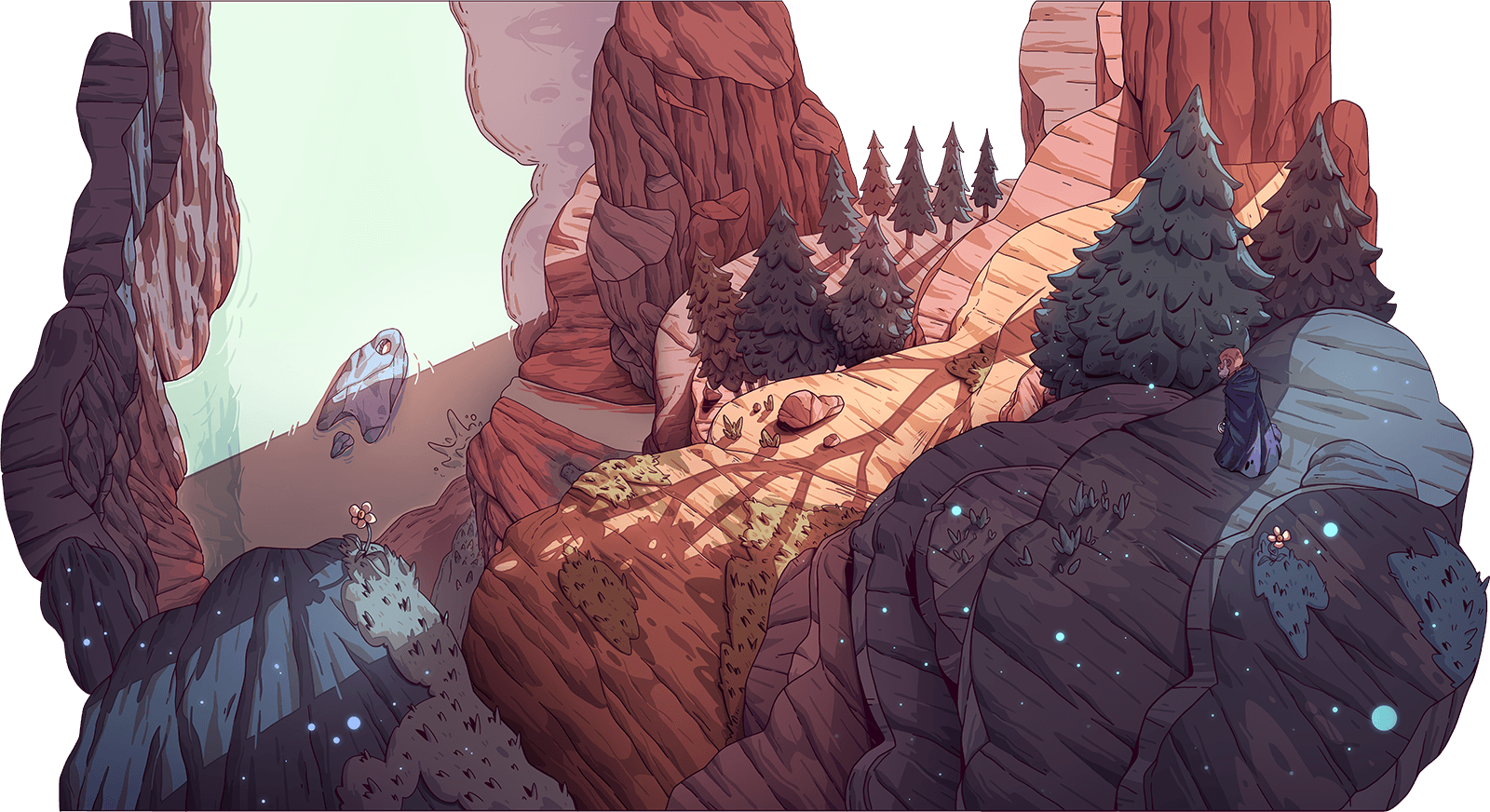
The story follows Emi, a naval academy student working toward becoming a captain. Her early assignment eventually develops into something much larger as she defends the Samyu Republic against pirate attacks and becomes involved in a conspiracy threatening the country from within. According to Kiang, the conflict is loosely inspired by the historical wokou pirate raids associated with Ming-era East Asia.
Familiar Grid Combat, With Recruitment Built Around the Campaign
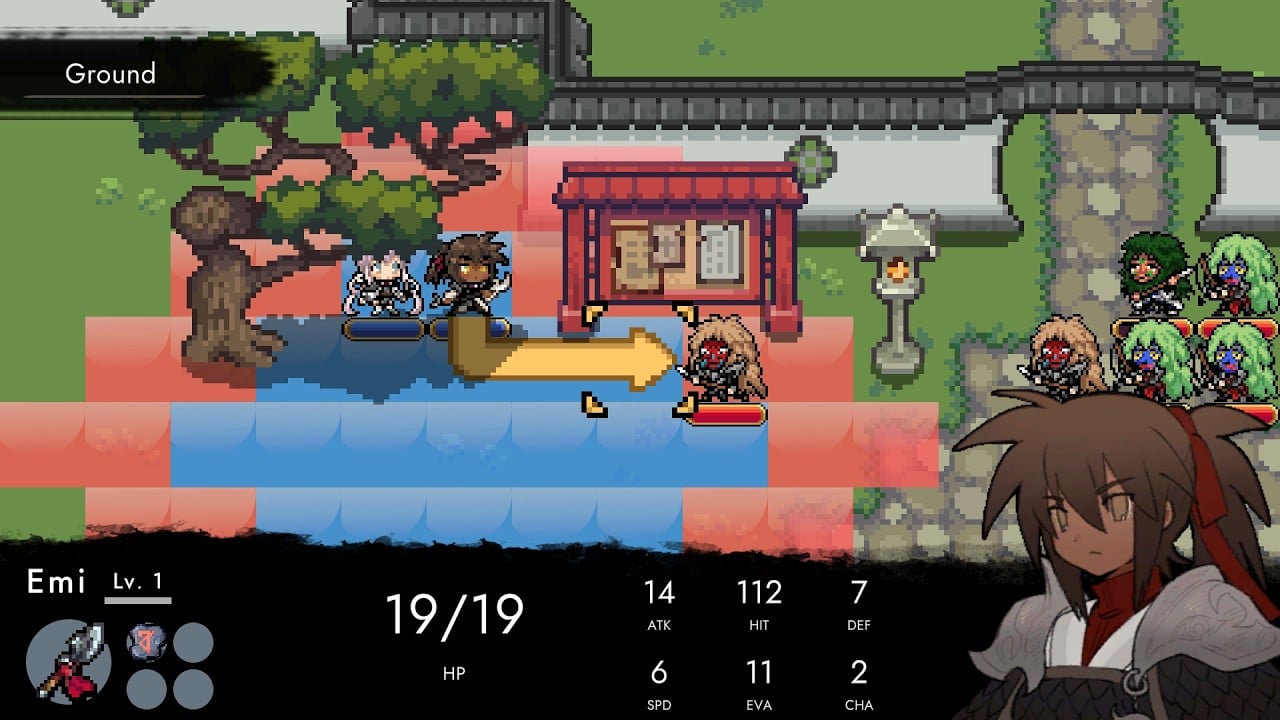
Battles take place on 2D grids using a traditional turn-based tactical system. Units move across the battlefield individually, while new characters encountered during the campaign can eventually become members of Emi’s crew.
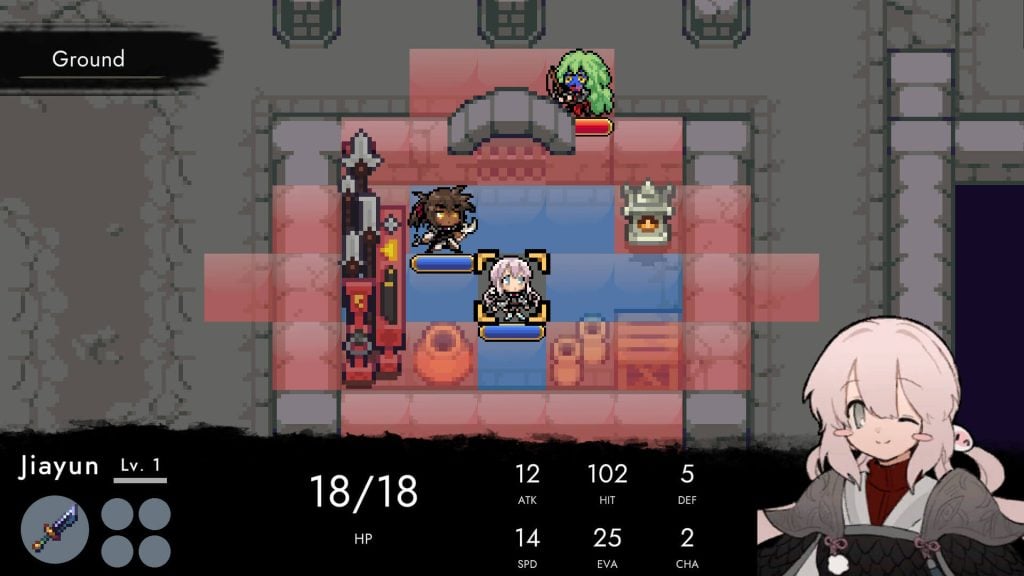
That makes Vermilion Sea immediately recognizable to anyone familiar with games such as Fire Emblem, an influence Kiang has openly acknowledged when discussing the project. The more interesting question is how those battles connect to everything happening between missions.
Equipment, supplies, character development, and recruitment. The ship itself serves as an important part of that strategic layer, with the crew and its resources needing to be maintained as the campaign progresses. The game also mentions upgrading the ship and training the crew, alongside preparing equipment for upcoming encounters.
You Won’t Have Time to Do Everything
The campaign structure may be Vermilion Sea’s most distinctive idea.
The opening consists of six linear chapters, but the structure changes afterward. Emi receives multiple possible missions, and there isn’t enough time to complete all of them before the pirates make their move. Missions can provide different rewards, including gold, supplies, weapons, and new recruits, meaning the route you choose can directly influence the army you take into later chapters.
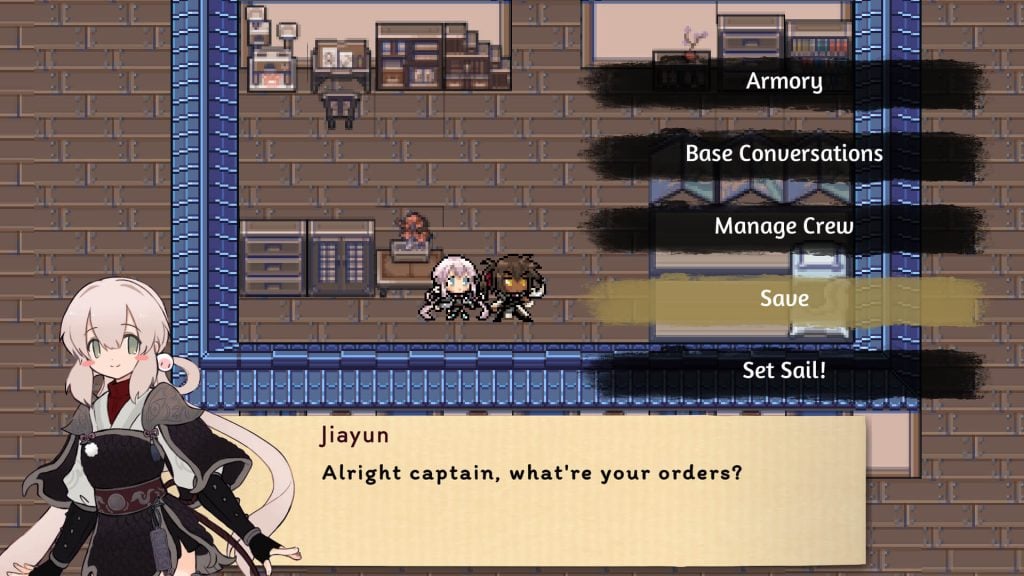
Kiang has provided some additional context: this section currently gives the player six weeks to choose among twelve missions. In other words, completing everything isn’t the objective. Deciding what to sacrifice is part of the experience.
That’s an important distinction. Skipping a mission could mean losing access to useful equipment or a potential party member, while prioritizing immediate supplies might leave the crew without another reward later. If those decisions remain meaningful throughout the campaign, Vermilion Sea could create substantially different army compositions between playthroughs without relying entirely on traditional branching story choices.
Crew and Character Interaction
Character interaction isn’t restricted to story scenes. Between chapters, Emi can speak with allies aboard the ship to learn more about their backgrounds and motivations, but conversations can also provide information relevant to upcoming battles, including rumors and tactical observations. Characters may speak during combat as well.
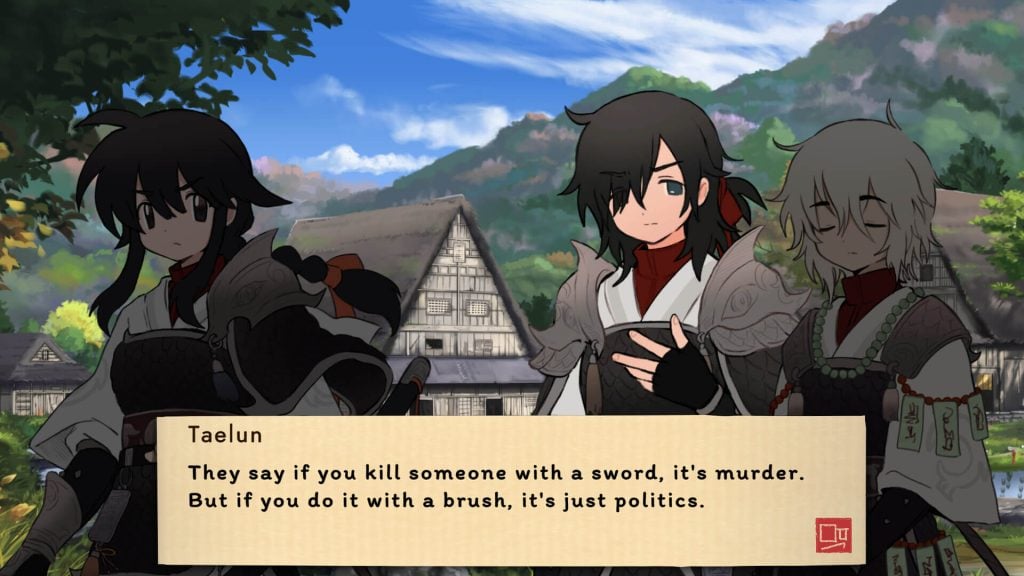
This gives the relationship system a practical role alongside its narrative purpose. Crew members aren’t simply units whose statistics need optimizing; paying attention to what they know may help with preparation before the next engagement.
The Steam page also lists choices and multiple endings among the game’s current tags, although exactly how campaign decisions feed into those outcomes has not yet been detailed.
Vermilion Sea Is Currently in Development for PC
Vermilion Sea is being developed by Michael Kiang for PC via Steam. Steam currently lists its release date as to be announced. Kiang has separately stated that the team is targeting Q1 2028, so that window should be considered a development target rather than a confirmed release date for now.
It is still early, but the combination worth watching isn’t simply its Fire Emblem-style battles. The stronger hook is the structure surrounding them: limited campaign time, mutually exclusive missions, resource management, recruitment decisions, and a crew whose composition may depend heavily on which problems you decide are worth solving.